Insulation Problems in Franklin Homes
Insulation Problems in Franklin Homes
You’ve just settled into your Franklin home, and the first winter hits like a freight train. Your power bills are through the roof, the kids are constantly cold, and you can feel drafts coming from everywhere. Sound familiar? You’re not alone in dealing with insulation challenges that plague many homes across the Franklin district.
Poor insulation doesn’t just mean higher heating costs. It creates condensation problems, encourages mould growth, and makes your home uncomfortable year-round. Understanding what goes wrong with insulation helps you make informed decisions about your property, whether you’re buying, selling, or simply trying to improve your living conditions.
Common Types of Insulation Failures
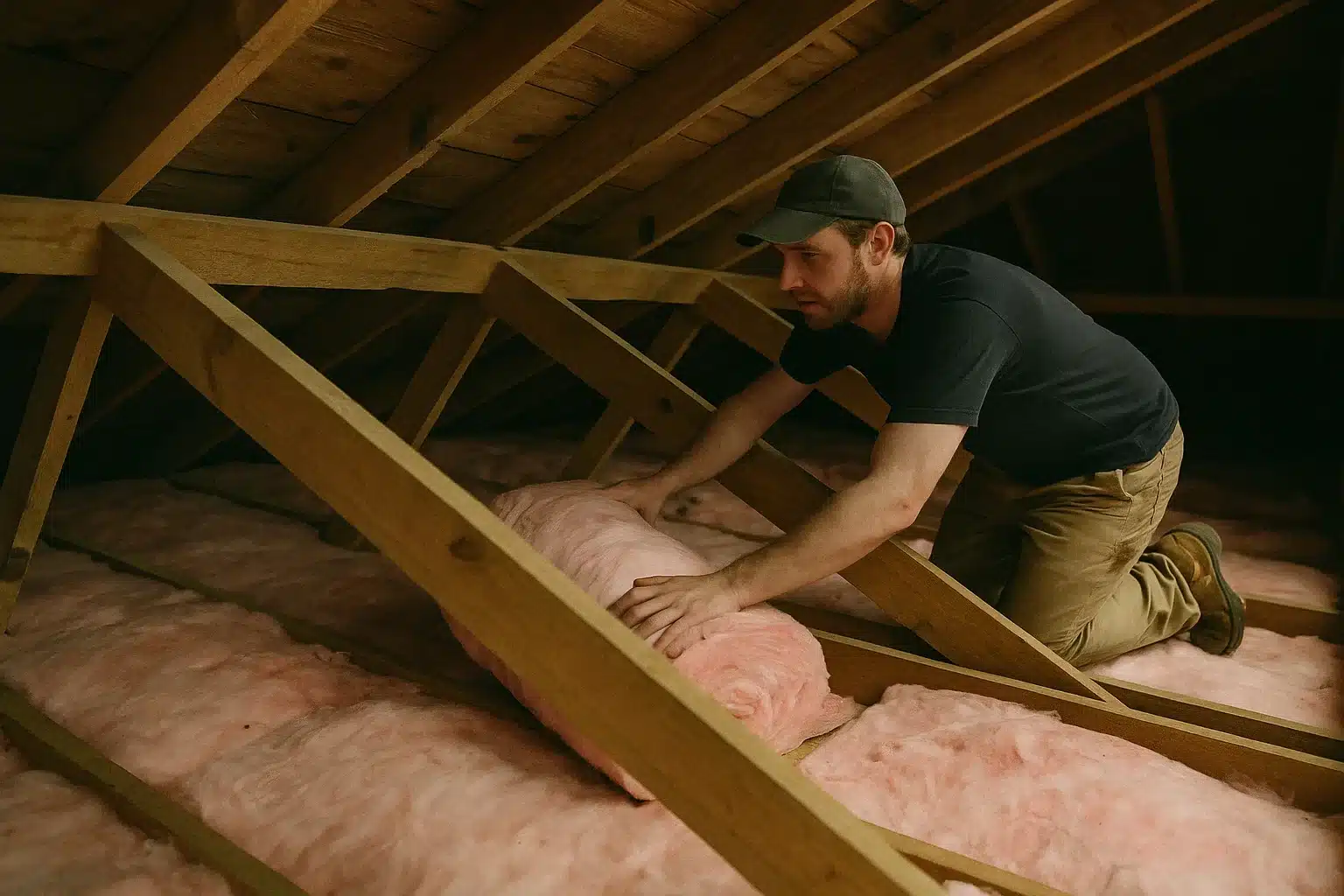
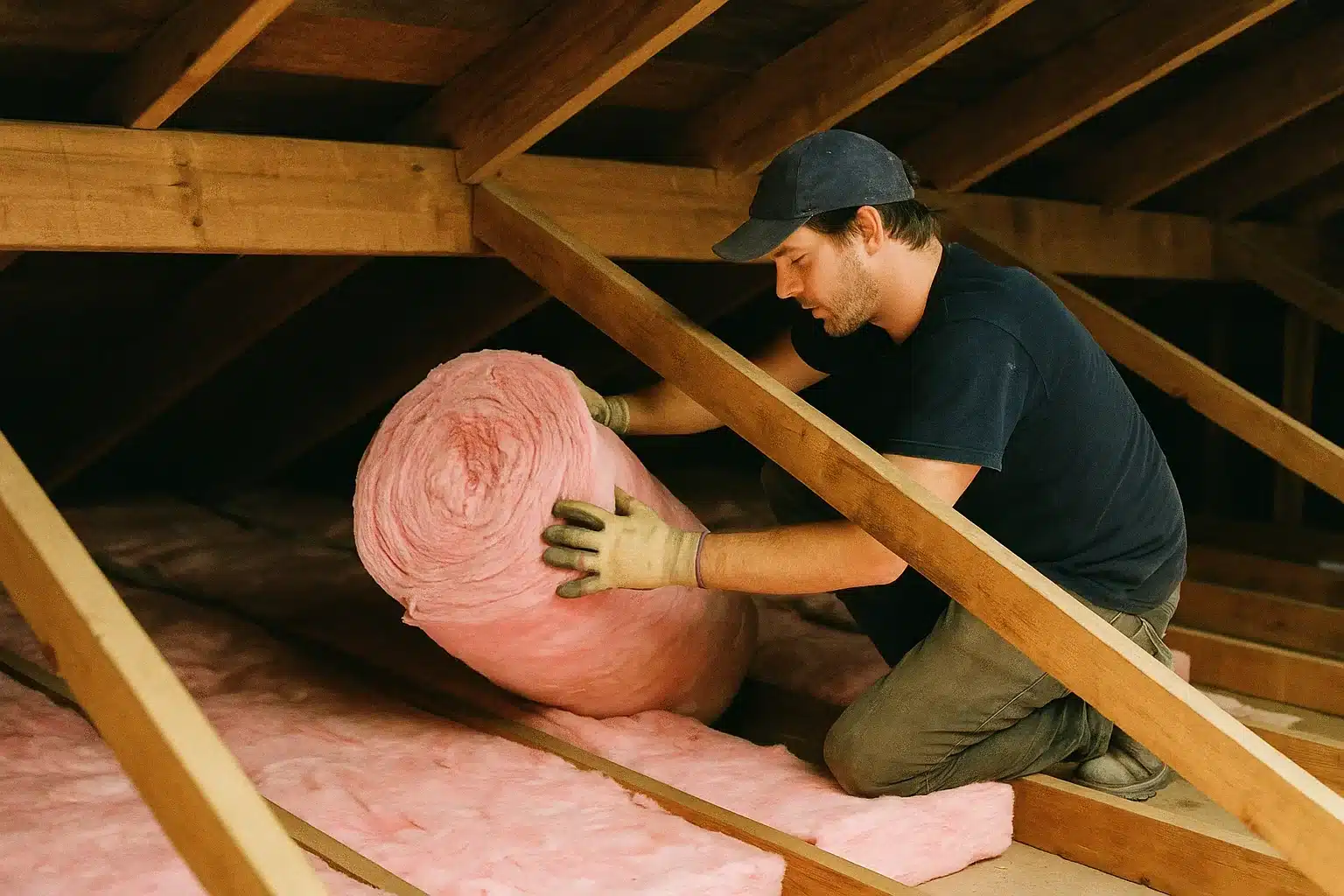
Ceiling insulation often settles over time, leaving gaps that act like thermal highways. What started as adequate coverage gradually becomes patchy and ineffective. Pink batts can compress to half their original thickness, while loose-fill materials migrate away from their intended positions.
Wall insulation presents different challenges. Many older Franklin homes were built with minimal wall insulation, or none at all. Even newer properties can suffer from poor installation, where batts are compressed into cavities or left with significant gaps around electrical fittings and plumbing penetrations.
Under-floor spaces create their own set of problems. Bulk insulation can sag or fall out completely, especially in homes with inadequate fixings. Moisture from the ground can damage insulation materials, reducing their thermal performance and potentially creating health hazards.
Age Related Insulation Challenges
Franklin’s housing stock spans several decades, each with its own insulation story. Homes built before 1978 often have minimal or no insulation requirements under the building standards of the time. These properties frequently rely on materials that no longer meet current performance expectations.
Properties from the 1980s and 1990s might have insulation that seemed adequate when installed but has degraded significantly. Fibreglass batts can become contaminated with dust and debris, while reflective foil products may have lost their effectiveness due to surface damage or incorrect installation.
Even relatively modern homes can experience insulation problems. Installation quality varies dramatically between builders and subcontractors. What looks fine from the outside might hide significant thermal bridges and gaps that affect the entire home’s performance.
Environmental Factors Affecting Performance
Franklin’s climate creates specific challenges for insulation systems. High humidity levels can cause moisture to accumulate within wall cavities and roof spaces. This moisture reduces the thermal performance of most insulation materials and can lead to timber decay and mould growth.
The region’s exposure to coastal winds means many homes experience higher air infiltration rates than expected. Even well-insulated homes can lose significant heat if air barriers aren’t properly installed and maintained. Gaps around windows, doors, and service penetrations become major sources of heat loss.
Roof spaces in Franklin homes often reach extreme temperatures during summer. This thermal cycling causes insulation materials to expand and contract repeatedly, potentially leading to compression, cracking, or displacement over time.
Signs Your Home Has Insulation Issues
Cold walls during winter indicate insufficient wall insulation or thermal bridging through the framing. Touch the interior walls on a cold day – they should feel close to room temperature, not cold to the touch. Significant temperature differences suggest heat is conducting straight through the building envelope.
Condensation patterns reveal a lot about insulation performance. Water droplets forming on windows, walls, or ceilings often indicate inadequate insulation combined with poor ventilation. These moisture problems can escalate quickly into serious mould and timber decay issues.
Uneven temperatures between rooms suggest insulation inconsistencies. If some areas of your home feel noticeably warmer or cooler than others, the insulation coverage is likely patchy or damaged. This creates uncomfortable living conditions and forces your heating system to work harder.
DIY Inspection Techniques
Check your ceiling space during daylight hours to assess insulation coverage. Look for areas where you can see the ceiling plasterboard through gaps in the insulation. Pink batts should maintain their fluffy texture – compressed or darkened areas indicate moisture damage or contamination.
Under-floor inspections reveal common problems with bulk insulation. Look for sagging sections, gaps around pipes and cables, or areas where insulation has fallen out completely. Moisture stains or mould growth on insulation materials signal serious problems that need immediate attention.
Wall cavity inspections require more effort but provide valuable information. Remove electrical outlet covers on external walls to peer inside the cavity with a torch. You should see insulation material – if you see straight through to the exterior cladding, your walls likely lack adequate insulation.
Professional Assessment Benefits
Property inspections reveal insulation problems that homeowners often miss. Our team’s 150 years of combined industry experience helps identify subtle signs of thermal performance issues that affect your comfort and running costs. Managing Director Morgan Kircher brings over two decades of building expertise to every assessment, recognising patterns that indicate insulation failures.
Professional inspectors can access areas that are difficult or dangerous for homeowners to reach safely. Steep roof spaces, confined sub-floor areas, and wall cavities all require proper equipment and knowledge to assess effectively. We document insulation conditions with detailed photography and clear explanations.
Regional Insulation Considerations
Pukekohe homes often feature older villa and bungalow styles that present unique insulation challenges. These character properties typically have high ceilings and single-skin weatherboard construction that requires careful retrofitting approaches. Wall cavities in these homes are often shallow, limiting insulation options.
Waiuku properties near the harbour face additional moisture challenges from sea air. Salt-laden humidity can accelerate corrosion of metal fixings and affect the longevity of certain insulation materials. Under-floor ventilation becomes particularly important in these coastal locations.
Rural Franklin properties around Te Kauwhata and Tuakau often feature larger homes with complex roof lines. These designs create more opportunities for thermal bridging and air leakage. Agricultural activities can also introduce additional moisture and dust that affects insulation performance over time.
Modern Solutions and Upgrades
Today’s insulation products offer significantly better performance than materials used in older Franklin homes. Polyester batts resist moisture and maintain their thermal properties even when slightly damp. Bulk insulation products now come with improved fixings that prevent sagging and displacement.
Retrofitting wall insulation has become more practical with injection foam systems and external insulation methods. These approaches can dramatically improve thermal performance without major renovations. However, proper assessment of existing wall construction is essential before selecting upgrade methods.
Combination approaches often work best in older homes. Adding ceiling insulation, sealing air leaks, and improving under-floor insulation creates a comprehensive thermal envelope. Each element works together to improve comfort and reduce energy consumption throughout the property.
Insulation Problems in Franklin Homes
Understanding your home’s insulation condition helps you make informed decisions about comfort, energy efficiency, and property maintenance. Whether you’re experiencing obvious problems like cold rooms and high power bills, or simply want to understand your property better, professional assessment provides valuable insights into your home’s thermal performance and potential improvements.
Related Articles
- Property Maintenance After Major Weather Events in New Zealand
- Weathertightness Issues in New Zealand Homes
- Building Inspections Pukekohe Complete Guide
- New Subdivisions in Drury and Karaka: Why Brand-New Homes Still Need a Building Inspection
Alert Building Inspections – Pukekohe
Alert Building Inspection Services provides comprehensive building reports across Pukekohe, Franklin, Auckland, and New Zealand. Trust our expert inspectors to give you clarity and confidence in your property decisions. For professional pre purchase building inspection services and expert advice, visit our website. You can also read more articles like this on our blog.