Weathertightness Issues in New Zealand Homes

Weathertightness Issues in New Zealand Homes
Sarah thought her 15-year-old home in Pukekohe was perfect until she noticed damp patches appearing on the bedroom wall after heavy winter rains. What started as a small concern quickly escalated when she discovered water damage behind the plasterboard. Her story reflects a reality many New Zealand homeowners face – weathertightness problems that can turn dream homes into costly nightmares.
Weathertightness refers to your home’s ability to prevent water penetration through the exterior envelope. When this system fails, water finds its way into wall cavities, creating conditions perfect for rot, mould, and structural damage. The consequences extend far beyond cosmetic issues, potentially affecting your family’s health and your property’s value.
Understanding how weathertightness works and recognising early warning signs can save you thousands of dollars in repairs. More than that, it can protect your most significant investment and ensure your home remains a safe haven for your family.
The Science Behind Water Penetration
Water moves through buildings in ways that might surprise you. While driving rain seems like the obvious culprit, water can enter through the smallest gaps and travel considerable distances before appearing as visible damage. Capillary action draws moisture through tiny cracks, while wind pressure forces water through openings you might never notice.
Your home’s weathertightness system relies on multiple layers of defence. The outer cladding acts as the first barrier, directing water away from the structure. Behind this, a drainage cavity allows any moisture that penetrates to escape safely. The building wrap provides a secondary barrier, while proper flashing around windows, doors, and roof penetrations prevents water from finding entry points.
When any component of this system fails or wasn’t installed correctly, water begins its destructive journey into your home’s structure. The damage often remains hidden for months or years, making early detection crucial for minimising repair costs.
Common Entry Points for Water
Windows represent one of the most vulnerable areas in any home’s weathertightness system. Poor installation, failed sealants, or inadequate flashing can allow water to penetrate around window frames. The problem becomes worse when homes lack proper drainage cavities, trapping water against the framing timber.
Roof and wall junctions create another high-risk area. Complex rooflines with multiple valleys and intersections multiply the potential failure points. Incorrectly installed or deteriorated flashings at these junctions often allow water to bypass the primary weathertightness barriers.
Deck and balcony connections pose particular challenges for weathertightness. These horizontal surfaces collect water, and any penetration through the building envelope at these connection points can lead to significant internal damage. Many weathertightness failures involve improperly sealed deck attachments or inadequate waterproof membranes.
Warning Signs to Watch For
Musty odours often provide the first hint of weathertightness problems. These smells typically develop when moisture creates conditions for mould and mildew growth within wall cavities. You might notice these odours most strongly during humid weather or in rooms with limited ventilation.
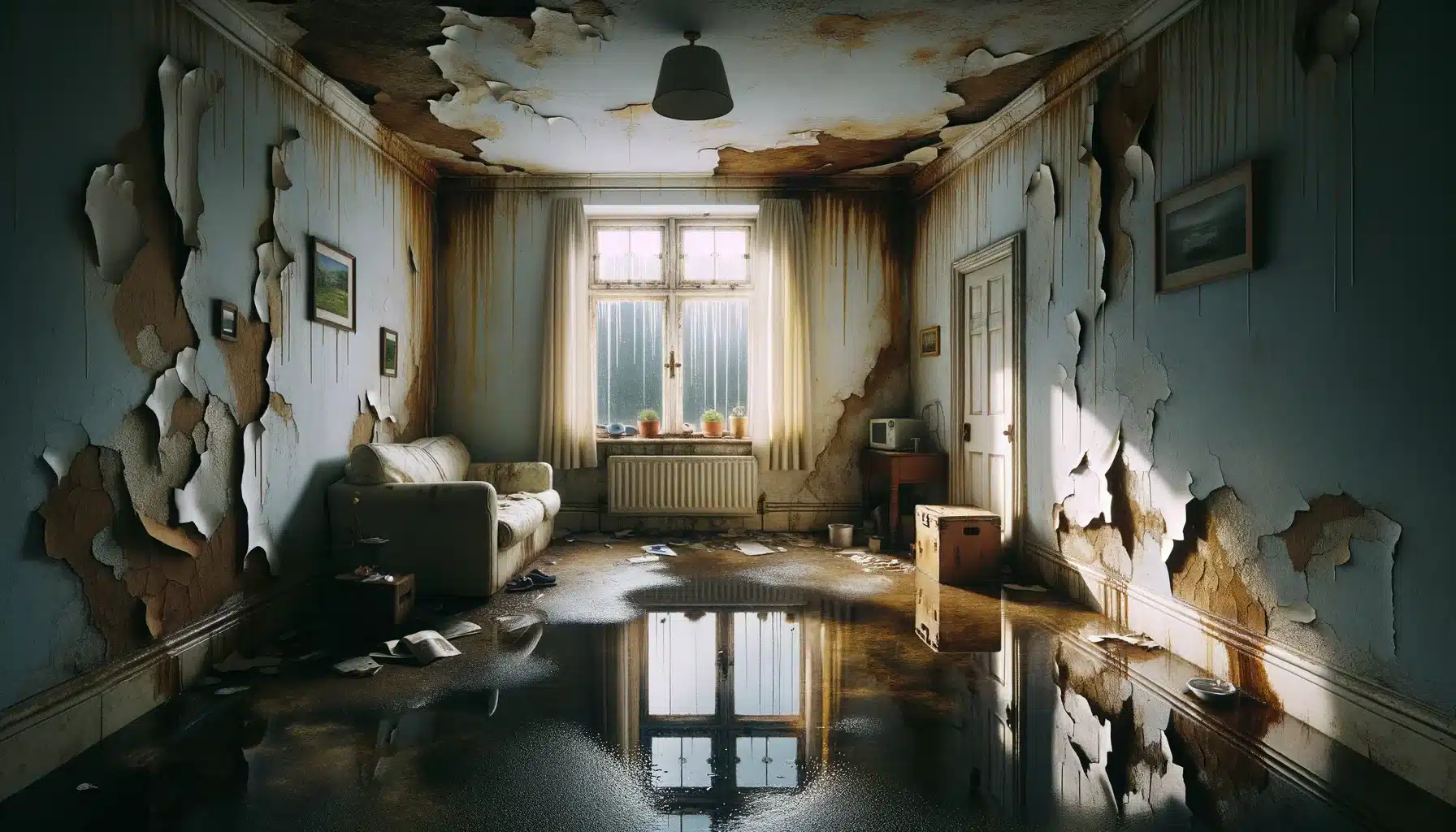
Discolouration on interior walls, particularly around windows or in corners, suggests water penetration. These stains might appear as brown patches, dark streaks, or areas where paint begins peeling or bubbling. Pay special attention to areas where different building materials meet, as these junctions often experience movement that can compromise seals.
Condensation problems that seem excessive or occur in unusual locations might indicate weathertightness issues. While some condensation is normal, persistent moisture on windows, walls, or in cupboards could suggest that external moisture is entering your home’s structure and affecting internal humidity levels.
The New Zealand Context
New Zealand’s unique climate conditions create particular challenges for weathertightness. The combination of high humidity, frequent rainfall, and strong winds tests every aspect of your home’s weather defence systems. Coastal properties face additional challenges from salt-laden air that accelerates the deterioration of sealants and metal components.
The country’s seismic activity adds another dimension to weathertightness concerns. Building movement during earthquakes can crack sealants, shift flashing, and create new pathways for water penetration. Regular inspection becomes even more critical in areas prone to seismic activity.
Different regions face varying weathertightness challenges. Auckland’s humid subtropical climate creates ideal conditions for mould growth when water penetrates building envelopes. Wellington’s strong winds drive rain horizontally, testing vertical surfaces that might remain dry in calmer climates. Canterbury’s temperature variations cause expansion and contraction that can compromise sealants and create gaps in the weathertightness system.
Prevention and Maintenance Strategies
Regular maintenance forms your first line of defence against weathertightness failure. Annual inspections of exterior sealants around windows, doors, and other penetrations help identify problems before they become major issues. Look for cracked, shrunk, or missing sealant that could allow water penetration.
Gutter and downpipe maintenance plays a crucial role in weathertightness. Blocked gutters cause water overflow that can saturate exterior walls and find entry points through the cladding system. Ensure gutters drain freely and direct water well away from your home’s foundation and walls.
Professional maintenance of heating and ventilation systems helps control internal moisture levels. Excessive internal humidity can mask weathertightness problems and create conditions where minor water penetration becomes major damage. Proper ventilation reduces this risk while making it easier to identify when external moisture enters your home.
Professional Assessment and Solutions
Managing Director Morgan Kircher brings over two decades of building expertise to every assessment, recognising that weathertightness problems often involve multiple interconnected issues. Our team’s 150 years of combined industry experience enables us to identify subtle signs that might indicate developing weathertightness concerns.
Professional assessment involves more than visual inspection. Moisture meters can detect elevated moisture levels within building materials before damage becomes visible.
When weathertightness problems are identified, solutions typically require specialist contractors with experience in remedial building work. The Building Authority provides guidance on weathertightness standards, but implementation requires skilled professionals who understand both the theory and practical challenges of creating effective weather barriers.
The Financial Impact
Weathertightness repairs can range from hundreds of dollars for minor sealant replacement to hundreds of thousands for full re-cladding of severely affected homes. The cost often depends on how early the problem is detected and how extensively water has penetrated the building structure.
Insurance coverage for weathertightness issues varies significantly depending on your policy and the cause of the problem. Some policies exclude gradual deterioration or maintenance-related issues, while others might cover sudden and accidental water damage. Understanding your coverage before problems develop can influence your maintenance priorities and help you make informed decisions about professional assessments.
Property values can be significantly affected by weathertightness problems, particularly if issues are discovered during sale negotiations. Buyers often request substantial price reductions or walk away entirely when weathertightness concerns are identified, making prevention and early intervention financially prudent strategies.
Weathertightness Issues in New Zealand Homes
Protecting your home from weathertightness problems requires ongoing attention to maintenance, early recognition of warning signs, and professional assessment when concerns arise. While New Zealand’s climate creates particular challenges, understanding these risks and taking proactive steps can preserve both your home’s integrity and your family’s wellbeing for years to come.
Related Articles
- Building Inspections Pukekohe Complete Guide
- New Subdivisions in Drury and Karaka: Why Brand-New Homes Still Need a Building Inspection
- Asbestos in Pukekohe Homes: What Property Buyers Need to Know
- Rural Property Inspections in Franklin: What Lifestyle Block Buyers Need to Know
Alert Building Inspections – Pukekohe
Alert Building Inspection Services provides comprehensive building reports across Pukekohe, Franklin, Auckland, and New Zealand. Trust our expert inspectors to give you clarity and confidence in your property decisions. For professional pre purchase building inspection services and expert advice, visit our website. You can also read more articles like this on our blog.