Building Inspection Pukekohe
BUILDING REPORT PUKEKOHE
Written Residential & Commercial Building Reports
CUSTOMER REVIEWS
TESTING
Report
BUILDERS REPORT PUKEKOHE
Purchasing a Pukekohe property is one of life's biggest investments – getting a professional builders report is essential. Alert Building Inspections provides comprehensive written builders reports and verbal building inspections, delivered within 24-48 hours.
Our trade-qualified inspectors are experienced builders who conduct thorough inspections covering structural integrity, weather tightness, and potential maintenance issues. Each report includes photographs, detailed findings, and specific recommendations.
+
+
Detailed Building Report
Our trade-qualified team provides comprehensive building inspection reports across Pukekohe and Auckland, with same-day inspections available. Every pre-purchase building report is thorough, professional, and delivered within 24-48 hours.
WHY CHOOSE ALERT BUILDING INSPECTIONS

-
Trade-Qualified Building Inspectors throughout Pukekohe and Franklin.
-
Detailed & Easy-to-Understand Building Reports.
-
Fast, Professional, and Reliable Building Inspection Services.
-
Comprehensive Building Inspection Report Delivered Within 24-48 Hours.
-
Peace of Mind with a Certified Pre-Purchase Building Inspection.
-
100% Trustworthy Home Inspection Services.
-
Buy Your House with Confidence – Expert Property Inspections.
-
Verbal Building Inspection Reports for Immediate Insights.
-
Comprehensive Full Written Building Reports for Home Buyers & Sellers.
-
Friendly & Experienced Property Inspectors.
-
Full Indemnity Insurance for Your Protection.
-
Affordable & Competitive Pricing for Quality Building Inspections.
BUILDING INSPECTOR PUKEKOHE
48-Hour Building Inspection Guarantee
Need a Building Inspector in Pukekohe? Our trade-qualified team delivers comprehensive reports within 24-48 hours. We specialise in rapid building inspections without compromising quality.
Our Pukekohe building inspection service suits time-sensitive purchases. Every building inspector has professional indemnity cover, understands the local market and building issues. We follow NZS4306:2005 standards, ensuring your building inspection meets national requirements.
Pukekohe buyers trust our building inspection expertise for reliable assessments. Each report includes structural evaluation, weather-tightness analysis, and maintenance requirements - delivered on time for confident decisions.
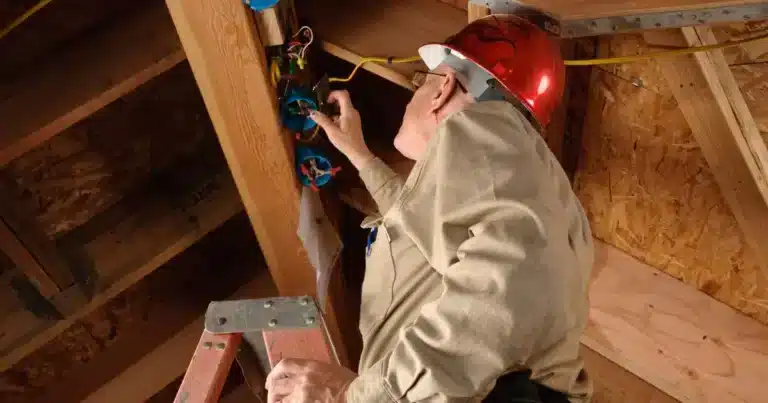

Pre House Purchase Inspection Pukekohe
Purchasing a home is a major investment. Our in depth inspection helps you understand the property's condition before making a decision. We provide a thorough assessment, examining everything for potential issues such as moisture or pests, to give you confidence in your purchase.
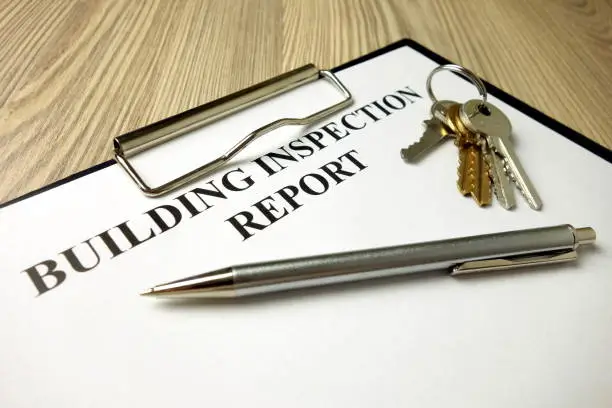
Pre-Purchase Building Inspection Pukekohe
Our inspection are designed to protect your investment. Conducted by experienced and qualified inspectors, we identify hidden defects, safety concerns, and maintenance issues. You’ll receive a detailed, easy-to-read report that empowers you to make informed choices.
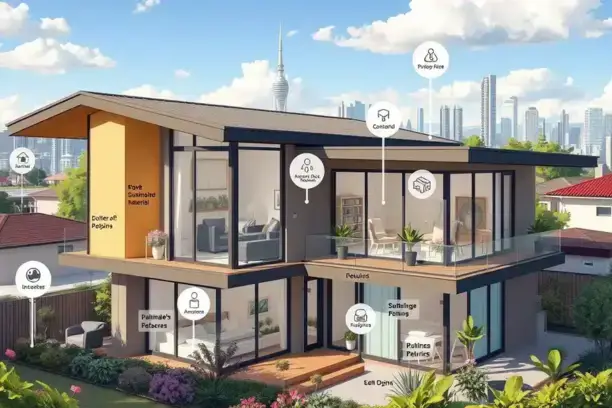
Your Building Inspection Completed Within 48 hours
Need results fast? Our fast turnaround provides a thorough property review with detailed findings delivered on the same day. Perfect for time-sensitive situations, this service ensures you can move forward with confidence without delays or unnecessary waiting periods.

PRE PURCHASE BUILDING INSPECTION PUKEKOHE
When investing in Pukekohe property, your biggest commitment is a pre-purchase building inspection. We deliver comprehensive reports by inspectors with extensive local knowledge.
Our pre-purchase building inspection in Pukekohe goes beyond standard assessments. Properties receive a detailed evaluation from foundation to roof. Trade-qualified inspectors examine structural elements, weathertightness, electrical and plumbing per NZS 4306:2005.
Book your Pre Purchase Building Inspection and receive it within 24-48 hours. Reports include moisture testing, structural assessment, and documentation for confident property negotiations.
Pukekohe - Areas of Service
Ararimu, Bombay, Buckland, Clarks Beach, Drury, Franklin, Glenbrooke, Hunua, Karaka, Mangatawhiri, Mercer, Pōkeno, Pukekawa, Pukekohe, Puni, Papakura, Ramarama, Te Kauwhata, Tuakau, Waiau Pa and Waiuku.
WRITTEN BUILDING INSPECTION
Professional and Reliable Inspection reports to NZS reporting Standards
METH TESTING PUKEKOHE
Same day onsite testing within the Franklin region.
VERBAL BUILDING INSPECTION
On site or over the phone verbal overview for time critical decisions




Building Challenges Unique to the Franklin District
The Franklin district sits at the southern edge of greater Auckland, stretching from Drury and Papakura in the north through Pukekohe and Waiuku to Pokeno, Tuakau, and Te Kauwhata in the south. This is a region in rapid transition — from its roots as one of New Zealand's most productive agricultural areas to one of the country's fastest-growing residential corridors. That transition creates a distinctive set of building challenges that our inspectors encounter every day.
Volcanic Soils and Ground Conditions
Franklin's geology is shaped by the South Auckland volcanic field, and the famous deep volcanic loam soils that made Pukekohe one of New Zealand's premier growing regions also affect building performance. These volcanic clay loam soils are highly moisture-retentive — excellent for growing vegetables — but they pose specific challenges for buildings. The soils hold water for extended periods, release ground moisture upward into subfloor spaces, and can shrink and swell with seasonal moisture changes, placing stress on foundations over time.
In established areas of Pukekohe, Waiuku, and Tuakau, our inspectors frequently find subfloor moisture issues associated with volcanic soils. Properties with inadequate ground moisture barriers and insufficient subfloor ventilation are particularly affected because moisture-retentive soils continuously release moisture into the subfloor space.
This creates conditions for timber decay, borer infestation, and mould growth that can go unnoticed for years until the damage becomes significant. Our inspectors check ground moisture conditions, ventilation adequacy, and the condition of all accessible subfloor timbers on every Franklin property.
Rapid Growth and New-Build Quality
The Franklin district is in the midst of a massive residential expansion. Auckland Council has identified Pukekohe as a priority satellite town for 50,000 people, and structural plans for Drury, Paerata, and the surrounding areas provide for tens of thousands of new homes over the next 30 years. Major developments are already underway at Paerata Rise, Drury South Crossing, and new subdivisions in Pokeno and Te Kauwhata.
This scale of development offers tremendous opportunity for buyers, but it also carries the risk of inconsistent construction quality. When thousands of homes are being built simultaneously across a growth corridor, the pressure on builders, subcontractors, and building consent authorities is enormous.
Our inspectors regularly find quality issues on new Franklin homes — incomplete flashings, poorly connected drainage, bathroom ventilation ducted into roof spaces rather than to the exterior, and finishing defects that suggest rushed workmanship. Some developments in the region have experienced construction stalls and delays, raising questions about whether partially completed buildings have been adequately weatherproofed during extended construction periods.
A pre-purchase inspection of any new-build property in Franklin provides independent assurance that the home has been completed to the standard to which it should have been built.
Rural and Lifestyle Properties
Franklin's rural character means that a significant proportion of properties are lifestyle blocks, rural residential holdings, and converted farm buildings, which present different inspection challenges from standard suburban homes.
Properties on rural-zoned land may have private water supplies, septic systems, and long private driveways, all of which require assessment. Older farmhouses and cottages may have been extended, modified, or converted multiple times over decades, with unclear or incomplete building consent status.
Our inspectors assess the condition of the building itself and note any site features — such as retaining walls, water tanks, pump systems, and effluent disposal — that a buyer should investigate further before committing to a purchase.
Franklin Building Types by Era
Franklin's housing stock reflects the district's evolution from a rural service town to a rapidly growing residential area on Auckland's southern fringe. Each construction era brings its own strengths, weaknesses, and inspection priorities.
Pre-1950s Character Homes
Pukekohe's established town centre and older residential streets contain character homes dating from the early 1900s through to the 1940s. These include weatherboard villas, bungalows, and cottages built with native timber framing.
Many have stood for 80 to 120 years and have undergone multiple renovations of varying quality. Common issues include borer infestation in native timber — particularly in subfloor areas where Franklin's moisture-retentive volcanic soils create damp conditions — deteriorating original foundations, deferred exterior maintenance, and additions or alterations that may not have been consented.
Our inspectors assess how well renovations integrate with the original structure, because poorly executed work on character homes is one of the most common sources of hidden problems.
1950s–1970s Post-War Housing
The mid-twentieth century brought substantial residential development to Pukekohe, Waiuku, and Tuakau, with many homes built during the post-war period. These properties typically feature timber-frame or concrete-block construction, with concrete tile or corrugated steel roofing on concrete slab or piled foundations.
Many are now reaching the point where original roofing, joinery, and plumbing are at or past the end of their serviceable life. Asbestos-containing materials in cladding, soffits, and interior linings are common in homes from this era.
Our inspectors identify suspected asbestos-containing materials so buyers can factor in testing and, if necessary, management or removal costs when making their decision.
1990s–2000s: The Leaky Building Era
Franklin was not immune to the leaky building crisis. Properties built between approximately 1988 and 2004 with monolithic plaster cladding systems fall within the highest-risk bracket for weathertightness failure. Whilst Franklin has fewer affected properties than central Auckland, the district does have monolithic-clad homes from this period, particularly in newer subdivisions developed during the late 1990s and early 2000s.
Our inspectors conduct comprehensive moisture testing on all Franklin properties from this era, checking every window, door, cladding junction, and penetration point where water could enter the building envelope.
2010s–Present: The Growth Boom
The most dramatic change to Franklin's housing stock is happening right now. Thousands of new homes are being built across Drury, Paerata, Pokeno, and expanding areas around Pukekohe. These properties are built to current building code standards, including mandatory cavity systems behind cladding and treated timber framing. However, the pace of construction in Franklin's growth corridor has placed significant pressure on the building industry, and not every home has been built with the care that buyers would expect.
Our inspectors approach new-build Franklin properties with the same thoroughness as older homes. We check that drainage connections are complete and functional, that flashings and weathertightness detailing meet the required standard, that earthworks and site drainage have been properly completed, and that the overall construction quality justifies the asking price.
For properties in new subdivisions built on former farmland, we also look at how the site has been prepared — including whether fill material has been properly compacted and whether retaining structures are adequate for the ground conditions.
What Makes a Franklin Inspection Different
Inspecting properties across the Franklin district requires a different approach from inspecting suburban Auckland homes. The combination of volcanic soils, rural and semi-rural sites, rapid new development on former farmland, and a mix of building ages and types means that our inspectors need to draw on a broader range of expertise than a purely urban inspection typically requires.
Site and Ground Conditions
Many Franklin properties sit on sites that were recently farmland, market gardens, or orchards. When agricultural land is developed for residential use, the earthworks involved — cutting, filling, compacting, and contouring — create ground conditions that differ significantly from undisturbed natural ground.
Properties built on fill material can experience settlement as the fill compacts over time, leading to foundation movement, cracking, and uneven floors.
Our inspectors look for signs of settlement on properties in new subdivisions and assess whether the foundation system is appropriate for the ground conditions. Where the site includes cut-and-fill transitions, we pay particular attention to the interface because cut-and-fill ground can settle at different rates, causing differential movement.
Drainage and Stormwater
Franklin's volcanic clay loam soils have poor natural drainage, and during heavy rainfall events, water can pond on the surface, saturate the ground adjacent to foundations, and overwhelm stormwater systems. In new subdivisions, the stormwater infrastructure is typically well-designed, but the connections between individual properties and the subdivision's reticulated system are not always completed to the required standard.
Our inspectors check that downpipes are properly connected, that surface water drains away from the building, and that there are no areas where water is likely to pond against foundations or retaining walls.
Converted and Extended Rural Buildings
Franklin's rural heritage means that buyers occasionally encounter properties that started life as farm buildings, woolsheds, packhouses, or workers' cottages and have been progressively converted into residential use. These properties can offer character and charm, but the building consent history is often complex or incomplete.
Our inspectors assess the building's current condition and note any areas where the construction appears inconsistent with residential building standards, so that buyers can investigate the consent status with Auckland Council or Waikato District Council, as appropriate.
Recent Inspection Examples
Every property tells a different story. Here are some anonymised examples from recent inspections our team has carried out across the Franklin district, showing the kinds of issues we identify and why a professional building inspection matters.
1960s Weatherboard Home — Pukekohe
A three-bedroom family home on a generous section in one of Pukekohe's established residential streets. The property presented well externally with recent paint, but our subfloor inspection revealed significant moisture issues. The volcanic clay soil beneath the house was visibly damp, with no ground moisture barrier installed.
Subfloor ventilation was limited to two small vents on one side of the building, and several original timber floor joists showed signs of both fungal decay and active borer infestation. The concrete tile roof, original to the house, had cracked and broken tiles across multiple areas, with degraded bedding on the ridge caps.
We also identified suspected asbestos-containing materials in the soffit linings. The buyer used our report to negotiate a $28,000 price reduction to cover the most urgent remediation work.
2002 Plaster-Clad Home — Karaka
A two-storey executive-style home on a lifestyle block with monolithic plaster cladding. The property had been well-maintained with regular painting, and the owners believed there were no weathertightness concerns. Our moisture testing identified elevated readings at two upper-storey window locations and at the junction where a first-floor deck connected to the main building. The deck had a solid plaster balustrade with a textured top surface. This detail is virtually impossible to waterproof permanently because fixings through the top surface create penetration points that eventually allow water to enter.
We recommended a full invasive moisture investigation. The subsequent investigation confirmed timber framing decay behind the cladding at both window locations, with estimated remediation costs of $120,000. The buyer chose to withdraw from the purchase.
2021 New-Build Townhouse — Drury
A two-year-old townhouse in one of Drury's new residential developments, purchased as a first home. The buyer questioned whether an inspection was necessary on such a recent build. Our inspector found that the ground-floor bathroom extractor fan was ducted into the ceiling cavity rather than to the exterior, creating a risk of moisture accumulation in the roof space.
One of the rear downpipes was not connected to the stormwater system, discharging directly onto the ground against the foundation. The timber paling fence between this property and the neighbouring unit had already begun to lean due to inadequate post depth in the fill material. While each issue was relatively straightforward to remedy, they represented construction shortcuts that should not have been present in a property of this age.
Our report provided the evidence the buyer needed to request that the developer address these items under the building warranty.
1940s Cottage — Waiuku
A character cottage with a more recent rear extension, situated on a large section in Waiuku's older residential area. The original cottage was built with native timber framing and weatherboard cladding, and our inspection found it to be in generally sound condition for its age, with the native timbers showing good durability despite limited subfloor ventilation.
However, the rear extension — which appeared to be from the 1990s — had several concerns. The junction between the original cottage and the extension had inadequate weatherproofing, with no visible flashing at the cladding transition. The extension's roof was lower than the original, creating an undersized valley gutter that overflowed during heavy rain.
We advised the buyer to check the extension's consent status with Auckland Council, and there was no evidence of a Code Compliance Certificate.
Frequently Asked Questions
Our comprehensive building inspection reports start from $299 for a verbal report and from $499 for a full written pre-purchase report. The final price depends on the property's size, age, and complexity. Larger homes, multi-storey properties, lifestyle blocks with additional structures, and those with monolithic cladding or complex construction typically require more inspection time and therefore cost more.
We provide a firm quote based on your property address before you commit, so there are no surprises. When you consider that a building inspection might identify tens of thousands of dollars in hidden issues — or give you the confidence to proceed — the cost represents a small fraction of what is likely the largest financial decision you will make.
Featured on ValueHub with the 'Editor's Choice Award'.
Our Pukekohe and Franklin building inspectors conduct a systematic inspection of every accessible area of the property, carried out in accordance with NZS 4306:2005. Inside the property, we inspect wall linings, windows and doors, floors, bathroom fixtures and fittings, tiled areas, kitchen cabinetry, and any areas showing signs of moisture penetration or damage. We conduct thorough moisture testing throughout the house, checking all windows, doors, bathrooms, and other potential water-entry points.
In the subfloor area, where accessible, we inspect foundations, piling, ventilation, plumbing pipework, and look for signs of moisture, borer activity, or timber decay. On Franklin's moisture-retentive volcanic soils, subfloor inspections are particularly important because ground moisture can create conditions for timber deterioration even when the rest of the property appears dry and sound.
We inspect ceilings, roof spaces, roof framing, insulation, wiring, and ventilation. Externally, we assess the condition of the cladding, door and window frames, garages, fences, paving, driveways, decking, drainage, and the overall site. For Franklin properties, we pay particular attention to site drainage and stormwater management — especially on properties in new subdivisions built on former farmland — and to subfloor moisture conditions on the district's volcanic soils.
You will receive a detailed, professionally formatted report that uses clear, straightforward language — not technical jargon. Every issue we identify is documented with photographs and explained in terms of its implications for you as a buyer.
We categorise findings by severity so you can quickly distinguish between urgent issues requiring immediate attention, maintenance items that should be addressed within a reasonable timeframe, and minor observations for your general awareness.
Each report includes specific recommendations—not vague statements, but practical guidance on what to do. Where we recommend further specialist investigation, such as a structural engineer's assessment or an invasive moisture test, we explain why and what the likely outcomes might be.
Our reports are accepted by all major banks and lending institutions, and they are designed to support your decision-making, whether that means proceeding with confidence, renegotiating the purchase price, requesting specific repairs, or walking away from a property that carries too much risk.
A building inspection is a detailed, independent examination of a property's condition conducted by a qualified inspector. In Pukekohe and the wider Franklin district, a building inspection is particularly important given the unique challenges the area presents. Franklin's moisture-retentive volcanic soils create subfloor conditions that promote timber decay and borer infestation.
The district's rapid residential growth means thousands of new homes are being built at a pace, with variable construction quality. The mix of established character homes, post-war housing, leaky building-era properties, and brand-new subdivisions means that every property type has its own set of risks that only a professional inspection can properly assess.
A building inspection gives you independent, expert information about the property's true condition — information that the vendor, the real estate agent, and even the property's outward appearance cannot reliably provide.
Most building inspections take between 1-2 hours on site, depending on the size, age, and condition of the property. Larger homes, properties with extensive subfloor areas, and those with monolithic cladding systems typically take longer because they require more detailed assessment.
Lifestyle properties with additional structures, such as garages, sheds, or sleepouts, also require additional time.
Our inspectors do not rush — a thorough inspection is worth far more to you than a quick one. After the on-site inspection, your report is prepared and delivered within 24–48 hours.
Yes, and Franklin's current building boom makes this more important than ever. The scale of residential development across Drury, Paerata, Pokeno, and expanding areas around Pukekohe has placed significant pressure on the building industry. While the building consent and inspection process provides a level of quality assurance, it does not catch everything.
Our inspectors regularly find issues in relatively new Franklin homes, including incomplete flashings, poorly connected drainage, bathroom extraction ducts in roof spaces, and finishing defects suggesting rushed workmanship. Some developments in the region have experienced construction delays, raising questions about whether partially completed buildings were adequately weatherproofed during extended construction periods.
Identifying any issues before settlement gives you the opportunity to have them remedied, while builder's warranties may still apply.
Absolutely — we encourage it. Attending the inspection gives you the opportunity to see the property through the eyes of an experienced building professional, ask questions in real time, and gain a far deeper understanding of the home than a report alone can provide.
Our inspectors will walk you through their findings on site, point out areas of concern, explain what is normal for the age and type of property, and provide context to help you interpret the written report when it arrives. There is no additional charge for attending, and most clients find it one of the most valuable parts of the process.
Franklin properties have a distinct set of common building issues that reflect the district's volcanic soils, rural heritage, and rapid growth. Subfloor moisture is the most consistently encountered problem, driven by the moisture-retentive volcanic clay loam soils that release ground moisture upward into inadequately protected subfloor spaces.
This leads to timber decay, borer infestation, and mould growth in floor joists and bearers — damage that is invisible from above but can be extensive when inspected from the subfloor.
In the district's older housing stock, common issues include roofing at or beyond its serviceable life, aluminium joinery with failed seals and corroding frames, suspected asbestos-containing materials in cladding and soffits, deferred exterior maintenance, and additions or renovations of variable quality with unclear consent status.
In new-build properties, our inspectors find construction quality issues, including incomplete flashings, poorly connected drainage, and finishing defects that suggest the pressures of a fast-moving construction programme.
Weathertightness failure in properties from the leaky building era (1988–2004) remains a significant risk in areas with monolithic-clad homes. Retaining wall adequacy is a concern on sloping sites across Pukekohe Hill and the surrounding areas.
Site drainage on new subdivisions built on former farmland requires careful assessment because the clay soils have poor natural drainage, and water management is critical to long-term building performance.
Yes, pre-purchase building inspections are our core service across the Franklin district. Whether you are buying your first home in one of Drury's new subdivisions, purchasing an established family home in Pukekohe, investing in a rental property in Pokeno, or acquiring a lifestyle block in Karaka or Bombay, our inspections are designed to give you the detailed, independent information you need before committing.
We inspect properties across the entire Franklin region, from Drury and Papakura through to Pukekohe, Waiuku, Tuakau, Pokeno, Te Kauwhata, and all surrounding areas.
All of our building inspectors are trade-qualified through the Building and Construction Industry Training Organisation (BCITO) and bring extensive hands-on experience as practising builders. They hold professional indemnity insurance and conduct all inspections in accordance with NZS 4306:2005.
Our Franklin-based inspectors have deep local knowledge — they understand the specific challenges of the district's housing stock, from the volcanic soil issues that affect subfloor conditions across the region to construction quality considerations for new-build developments in the growth corridor.
This local expertise comes from inspecting hundreds of Franklin properties and seeing firsthand what issues recur in specific areas, building types, and construction periods.
A building inspection — more specifically, a pre-purchase building inspection — is commissioned by the buyer to assess the condition of a property before purchasing it. The report is designed to identify defects, maintenance issues, and potential risks so the buyer can make an informed decision.
A pre-listing inspection, by contrast, is commissioned by the seller before listing the property. The purpose is to identify any issues in advance so the seller can either address them before listing or disclose them transparently to potential buyers. Both types of inspection follow the same rigorous methodology.
For sellers in Franklin's growing market, a pre-listing inspection can be particularly valuable because it demonstrates transparency and builds buyer confidence, often supporting a smoother and faster sale process.
Yes, moisture testing is a core component of every Franklin building inspection. Given the district's moisture-retentive volcanic soils and the ongoing risk posed by leaky buildings from the era, a comprehensive moisture assessment is essential.
We use both pin-type and non-invasive moisture meters to test at windows, doors, cladding penetrations, bathrooms, and any other areas where moisture ingress is possible. In the subfloor, we assess ground moisture conditions and ventilation adequacy — particularly important on Franklin's volcanic soils, which continuously release moisture.
For properties from the leaky building era (1988–2004), we conduct more extensive testing and assess the overall risk profile based on cladding type, design features, and maintenance history. Where our findings indicate a concern, we recommend a full invasive moisture investigation by a specialist weathertightness consultant.
Looking for building inspection services in Pukekohe? Alert Building Inspections provides detailed building reports within 24-48 hours, conducted by trade-qualified inspectors who understand Pukekohe’s property market and common building issues. We follow the New Zealand Standard for Property Inspections (NZS 4306:2005) and serve all Pukekohe locations and then some!