
Foundation Problems in New Zealand Homes
Foundation Problems in New Zealand Homes
You’ve found the perfect house in Pukekohe. The location is ideal, the price fits your budget, and you can already picture your family settling in. But beneath your feet lies the most critical structural element of any home – the foundation. When foundations fail, they can turn your dream property into a financial nightmare.
New Zealand’s diverse geology and seismic activity create unique challenges for residential foundations. From the clay soils of Franklin to the volcanic terrain around Auckland, understanding what can go wrong underground could save you tens of thousands of dollars in future repairs.
Common Foundation Types in New Zealand
Most New Zealand homes built before 1950 sit on timber piles, often totara or kauri, driven into the ground or placed on concrete pads. These foundations served well for decades, but many are now approaching or exceeding their design life. You’ll find these systems throughout Franklin’s older settlements like Waiuku and Te Kauwhata.
Concrete block foundations became popular from the 1950s through the 1980s. These consist of concrete blocks mortared together, creating a perimeter wall under the house. While generally robust, they can develop issues over time, particularly where the mortar joints deteriorate or settlement occurs.
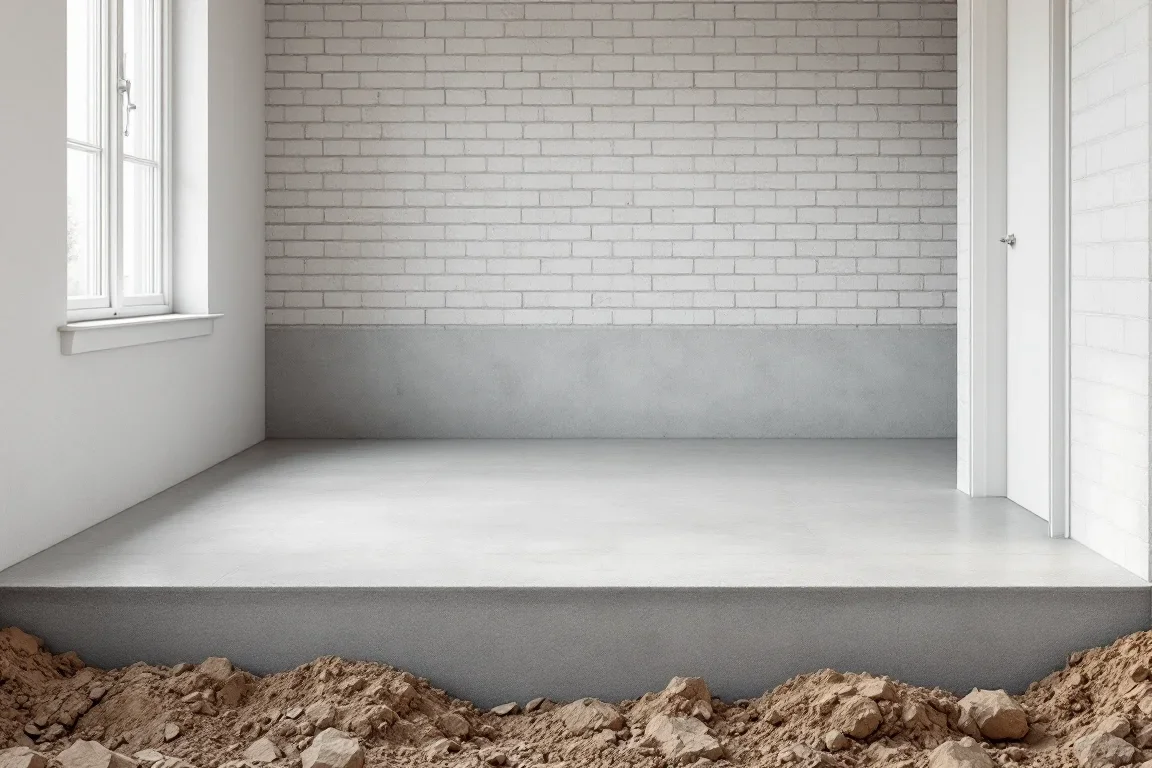
Modern homes typically feature reinforced concrete foundations – either concrete slab-on-ground construction or concrete masonry walls with concrete floors. These systems handle seismic loads better than their predecessors, but they’re not immune to problems.
Warning Signs of Foundation Issues
Cracks in interior walls often provide the first clue that something’s moving below. Hairline cracks might be normal settling, but cracks wider than a five-cent coin, especially those that grow over time, warrant attention. Doors and windows that stick, bind, or no longer close properly can indicate foundation movement.
Outside your home, look for cracks in the foundation walls themselves. Step cracks in concrete block walls – those that follow the mortar joints in a stair-step pattern – are particularly concerning. Horizontal cracks often signal serious structural stress.
Floors that feel bouncy, sag, or slope can indicate foundation settlement or deteriorated support structures. If you drop a marble and it consistently rolls toward one corner of a room, your floor isn’t level. While some settlement is normal in any home, significant changes suggest ongoing foundation movement.
Soil Conditions Across Franklin
Franklin’s varied landscape creates different foundation challenges across the region. The heavy clay soils common around Pukekohe and Drury expand when wet and shrink during dry periods. This cycle can cause foundations to move up and down seasonally, leading to cracking and structural stress.
Coastal areas like Clarks Beach face additional challenges from salt exposure, which can accelerate corrosion of steel reinforcement in concrete foundations. The combination of marine environment and clay soils requires careful attention to drainage and foundation protection.
Areas with volcanic soils, while generally stable, can present unexpected challenges where ground composition varies significantly across a single property. Modern subdivisions in Karaka and Drury often require extensive geotechnical investigation to ensure appropriate foundation design for local conditions.
Moisture and Drainage Problems
Poor drainage around foundations causes more problems than any other single factor. Water that pools against foundation walls can penetrate concrete, freeze and expand in winter, and gradually erode the structural integrity of the foundation system.
Blocked gutters, broken downpipes, or inadequate site drainage can direct water toward rather than away from your home’s foundation. Over time, this moisture can cause concrete to crack, steel reinforcement to corrode, and timber elements to rot.
The Building system requires proper site drainage, but many older homes were built before current standards existed. Retrofitting adequate drainage can prevent minor moisture issues from becoming major structural problems.

Timber Foundation Deterioration
Homes built on timber piles face unique aging challenges. Even naturally durable timbers like totara eventually succumb to decay, insect attack, or mechanical damage. Borer, particularly common in Auckland region homes, can hollow out structural timber over decades.
Ground contact accelerates timber deterioration. Piles that originally sat on concrete pads sometimes sink into the soil over time, creating direct earth contact that promotes rot. Improved ground moisture from poor drainage, broken pipes, or changed site conditions can affect timber that remained sound for decades.
Some timber pile foundations show obvious signs of failure – visible sagging, cracked or missing piles, or areas where the house structure has clearly dropped. Other deterioration occurs hidden from view, making professional assessment valuable for older homes.
Concrete Foundation Problems
Concrete foundations can develop problems through several mechanisms. Alkali-aggregate reaction, sometimes called concrete cancer, causes concrete to expand and crack from the inside out. This chemical process occurs slowly over decades, but affected concrete eventually loses structural strength.
Carbonation of concrete reduces its alkalinity over time, allowing steel reinforcement to corrode. As steel rusts, it expands and cracks the surrounding concrete. This process accelerates in coastal environments where salt exposure increases corrosion rates.
Settlement of concrete foundations can occur when underlying soils prove inadequate for the loads imposed. This might result from poor original site preparation, changed drainage conditions, or soil movement related to nearby excavation or construction activities.
Seismic Considerations
New Zealand’s seismic environment places additional demands on foundation systems. Older homes often lack adequate connection between foundation and framing, potentially allowing the house to slide off its foundation during strong ground shaking.
Unreinforced concrete block foundations, common in homes built between 1950 and 1980, can prove particularly vulnerable to earthquake damage. These foundations may appear sound under normal conditions but lack the ductility to handle seismic loads without failure.
Modern seismic standards require positive connections between foundation and framing, appropriate reinforcement in concrete work, and consideration of site-specific seismic hazards. Older homes can often be retrofitted to improve seismic performance, but this requires professional assessment and design.
Professional Assessment Value
Managing Director Morgan Kircher brings over two decades of building expertise to foundation assessments across Franklin. Foundation problems often develop slowly, making them difficult for untrained eyes to detect in early stages when repair costs remain manageable.
Our team’s 150 years of combined industry experience includes extensive work with the foundation types common throughout Pukekohe, Waiuku, and surrounding Franklin communities. We understand how local soil conditions, construction practices, and aging processes affect different foundation systems.
During our thorough property examinations, we identify potential foundation concerns and recommend appropriate specialist consultation when needed. Early detection of foundation movement, moisture issues, or structural deterioration can prevent minor problems from becoming major financial burdens.
Foundation Problems in New Zealand Homes
Your home’s foundation literally supports everything else about the property. Understanding the warning signs of foundation problems and addressing them promptly protects both your family’s safety and your investment. Whether you’re buying in established areas like Te Kauwhata or newer developments around Drury, professional assessment provides peace of mind about this critical building element.
Related Articles
- Insulation Problems in Franklin Homes
- Property Maintenance After Major Weather Events in New Zealand
- Weathertightness Issues in New Zealand Homes
- Building Inspections Pukekohe Complete Guide

Alert Building Inspections – Pukekohe
Alert Building Inspection Services provides comprehensive building reports across Pukekohe, Franklin, Auckland, and New Zealand. Trust our expert inspectors to give you clarity and confidence in your property decisions. For professional pre purchase building inspection services and expert advice, visit our website. You can also read more articles like this on our blog.