Electrical Safety Issues Every Homeowner Should Know About
Electrical Safety Issues Every Homeowner Should Know About
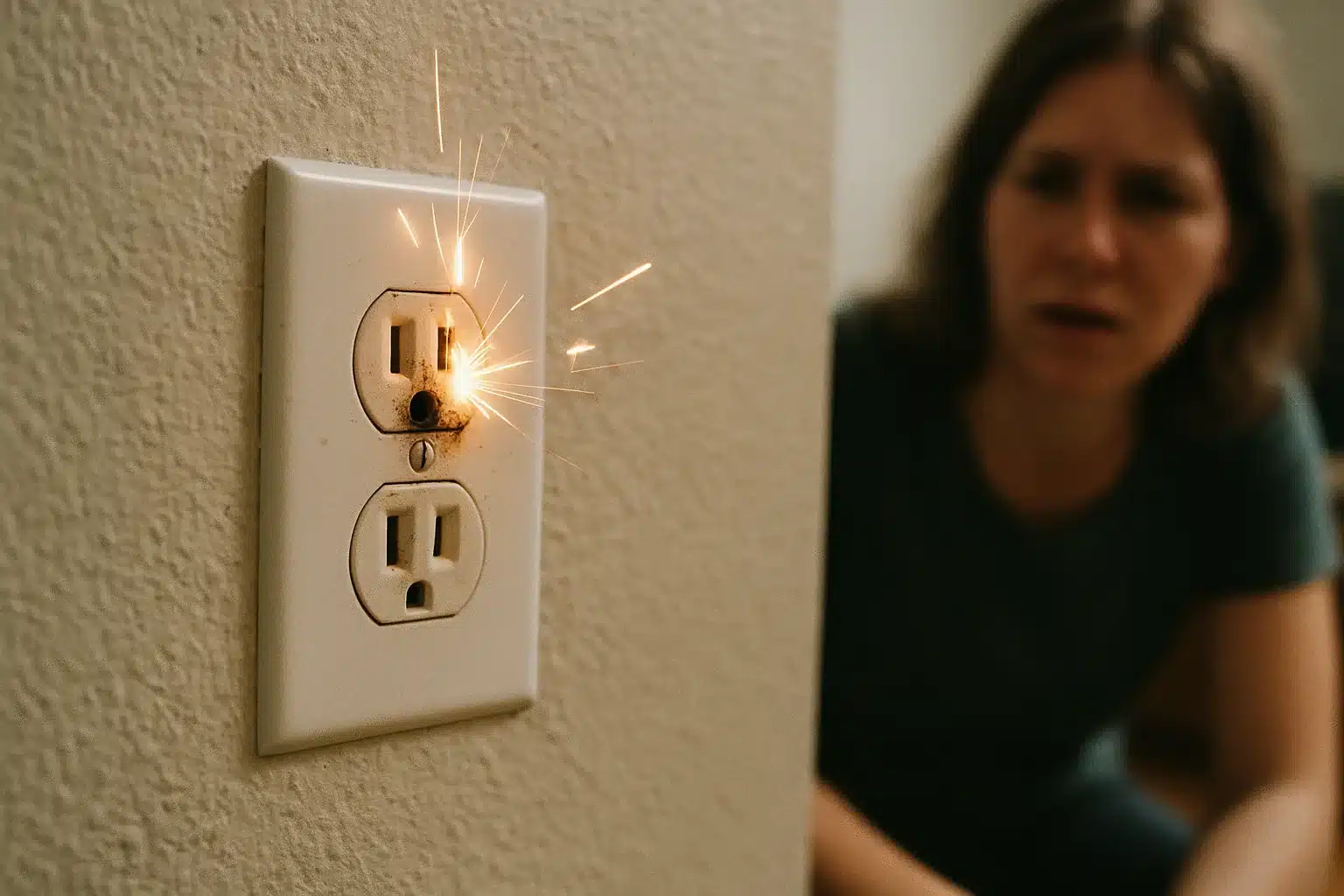
Picture walking into your lounge and flicking the light switch, only to notice a faint burning smell or hear an odd crackling sound from behind the wall. These seemingly minor incidents can signal serious electrical problems lurking within your home’s wiring system.
Electrical faults rank among the most dangerous yet often overlooked issues in New Zealand homes. Unlike a leaky tap or squeaky door, faulty wiring hides behind walls and ceiling spaces, silently creating fire hazards that can devastate families and properties.
Understanding common electrical warning signs empowers homeowners to spot potential dangers before they escalate into emergencies. Early detection can save lives, prevent costly repairs, and protect your most valuable investment.
Warning Signs That Demand Immediate Attention
Several clear indicators suggest your home’s electrical system needs professional assessment. Flickering lights when you turn on appliances often signal circuit overloading or loose connections that generate dangerous heat buildup.
Burning smells near power outlets, light switches, or electrical panels require immediate investigation. This odour typically indicates overheating wires or components that could ignite surrounding materials.
Warm or hot switch plates and outlet covers also signal overheating issues. Electrical components should remain cool during normal operation, so any heat indicates dangerous current flow problems.
Frequent circuit breaker trips or blown fuses suggest your electrical system cannot safely handle your home’s power demands. While occasional trips during storm conditions are normal, repeated occurrences point to underlying faults.
Outdated Wiring Systems and Safety Risks
Many older New Zealand homes still rely on wiring systems installed decades ago, before modern safety standards existed. Houses built before 1950 often contain rubber-sheathed wiring that deteriorates over time, creating fire risks.
Homes from the 1950s through 1970s frequently have early plastic-sheathed cables that may lack proper earthing protection. Without adequate earthing, electrical faults can energise metal fixtures and appliances, creating electrocution hazards.
Aluminium wiring, popular during the 1960s and early 1970s, poses unique challenges. This material expands and contracts more than copper, loosening connections over time and creating arc faults that can ignite house fires.
Knob and tube wiring, found in some pre-1940s homes, lacks earthing entirely and cannot safely power modern electrical loads. The WorkSafe organisation emphasises that these systems require complete replacement to meet current safety expectations.
Overloaded Circuits and Power Demands
Modern households place enormous demands on electrical systems designed for simpler times. Air conditioning units, heat pumps, dishwashers, and multiple electronic devices can overwhelm circuits originally intended for basic lighting and occasional appliance use.
Extension cord reliance often indicates insufficient outlet provision for current needs. Daisy-chaining power boards or running multiple high-draw appliances through single outlets creates dangerous overload conditions.
Older homes typically feature fewer circuits than modern properties require. Kitchen circuits may serve multiple rooms, meaning your microwave, washing machine, and bedroom lighting share the same electrical pathway.
DIY Electrical Work and Hidden Dangers
Well-intentioned homeowner repairs sometimes create more problems than they solve. Incorrect wire connections, improper junction box installations, and substandard materials can lurk behind walls for years before causing failures.
Previous owners may have attempted electrical modifications without proper knowledge or permits. These amateur installations often lack safety features like residual current devices (RCDs) that prevent electrocution during fault conditions.
Mixing different wire types, using incorrect gauge cables for circuit loads, and bypassing safety switches create hidden time bombs within electrical systems. These faults rarely announce themselves until catastrophic failures occur.
Moisture and Electrical System Damage
New Zealand’s climate poses unique challenges for electrical systems. High humidity levels, particularly in coastal areas like Waiuku and Clarks Beach, can penetrate electrical components and cause corrosion over time.
Roof leaks often drip onto electrical cables running through ceiling spaces. Water damage may not immediately disable circuits but gradually degrades insulation materials, creating short circuit risks months or years later.
Bathroom and kitchen electrical installations face constant moisture exposure. Inadequate ventilation in these areas can lead to condensation buildup within switch boxes and outlet enclosures, corroding connections and creating fault conditions.
Professional Assessment and Safety Planning
Regular electrical safety evaluations help identify problems before they create emergencies. Qualified electricians can assess your home’s electrical capacity, test safety device operation, and recommend necessary upgrades.
With Managing Director Morgan Kircher’s 20+ years in the building industry, Alert’s team understands how electrical issues integrate with broader property conditions. Our comprehensive property assessments often reveal electrical concerns alongside other structural and safety issues.
Drawing on our team’s century and a half of combined expertise, we recognise patterns that suggest electrical problems requiring specialist attention. Temperature variations, moisture indicators, and unusual odours can signal developing electrical faults.
Regional Considerations for Franklin Area Properties
Properties in Pukekohe’s rural-urban fringe often feature older farmhouse electrical systems later modified for suburban living. These adaptations sometimes create unusual circuit configurations that require careful assessment.
Drury and Karaka’s rapid development means many homes feature modern electrical systems, but construction quality can vary significantly between builders. Even recent installations may harbour defects that create safety risks.
Te Kauwhata and Tuakau properties frequently include outbuildings like workshops, barns, or sleepouts with electrical connections of uncertain vintage and safety standards. These secondary structures often receive less maintenance attention than main houses.
Coastal properties near Clarks Beach face salt air exposure that accelerates corrosion of electrical components, particularly outdoor connections and meter boxes. Regular inspection becomes even more critical in these environments.
Emergency Response and Safety Protocols
When electrical emergencies occur, immediate action can prevent injuries and property damage. Shutting off power at the main switch stops current flow and eliminates electrocution risks during emergency situations.
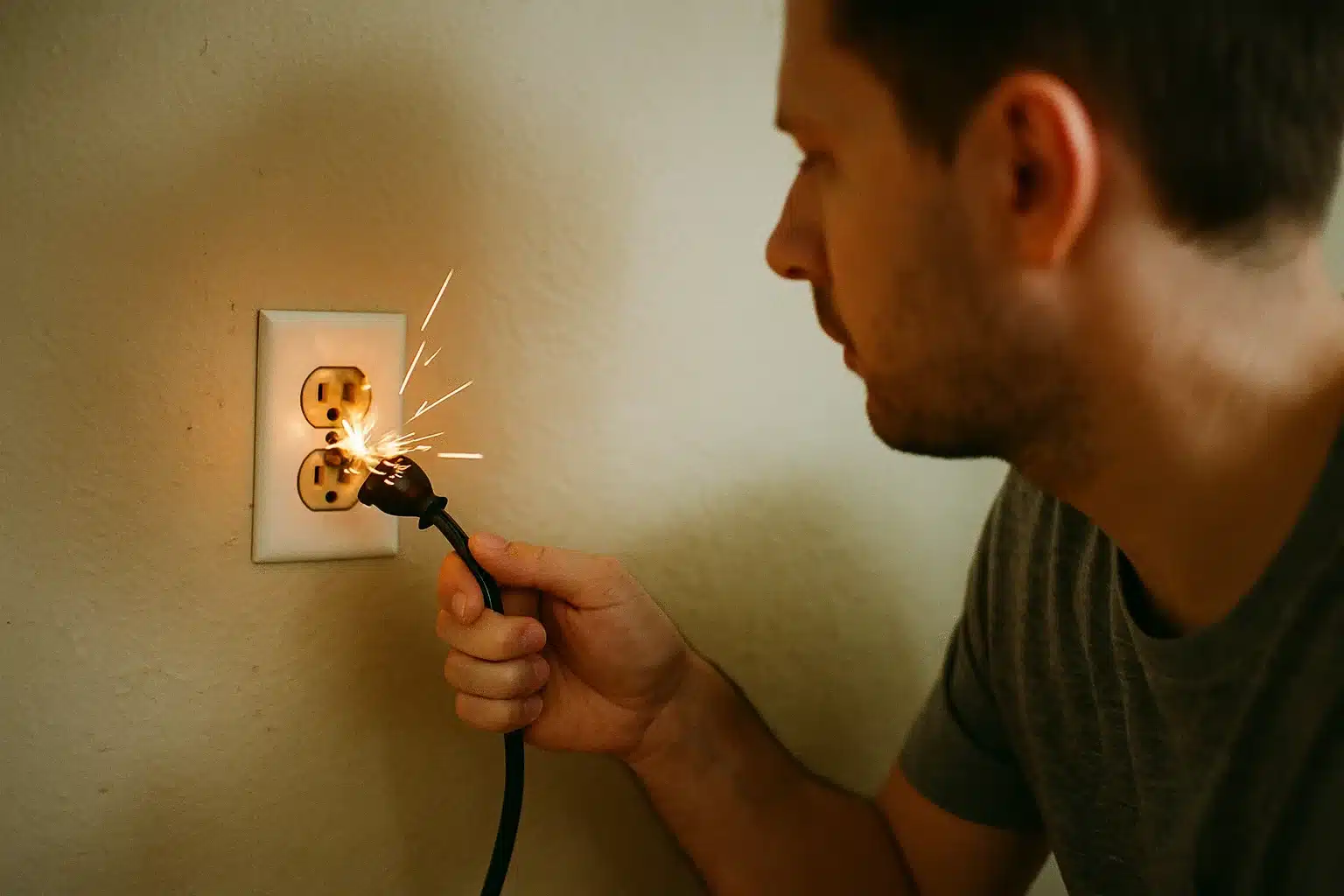
Never attempt repairs on live electrical systems. Even seemingly simple tasks like replacing light switches can create dangerous arc flash conditions if performed incorrectly or without proper safety equipment.
Smoke detectors and RCD devices provide crucial early warning systems, but they require regular testing to ensure proper operation. Monthly testing schedules help identify device failures before emergencies arise.
Electrical Safety Issues Every Homeowner Should Know About
Electrical safety represents one of the most critical yet often neglected aspects of property ownership. Regular professional assessments can identify developing problems before they create dangerous conditions, protecting both your family and your investment in your home.
Related Articles
- Foundation Problems in New Zealand Homes
- Insulation Problems in Franklin Homes
- Property Maintenance After Major Weather Events in New Zealand
- Weathertightness Issues in New Zealand Homes
Alert Building Inspections – Pukekohe
Alert Building Inspection Services provides comprehensive building reports across Pukekohe, Franklin, Auckland, and New Zealand. Trust our expert inspectors to give you clarity and confidence in your property decisions. For professional pre purchase building inspection services and expert advice, visit our website. You can also read more articles like this on our blog.