Signs Your Pukekohe Home Has Hidden Water Damage
Signs Your Pukekohe Home Has Hidden Water Damage
Water damage is one of the most common and costly issues we encounter during building inspections across Franklin. In Pukekohe’s climate, with its heavy winter rains and humid summers, moisture can find its way into homes through countless routes. Often, the damage goes unnoticed for months or even years, quietly affecting the structure and indoor air quality.
Knowing the early signs of water damage can save you thousands of dollars and prevent serious health concerns. This guide explains what to look for, whether you’re a current homeowner or arranging a pre purchase building inspection Pukekohe buyers rely on before settlement.
Why Water Damage Goes Unnoticed
Water has a way of travelling along surprising paths. It might enter through a tiny roof gap, run down a wall cavity, and only appear as a faint stain in a downstairs bedroom. By the time you see visible evidence, the water may have been present for a long time.
Many Pukekohe properties are older homes with timber framing. These homes breathe and shift with the seasons, which means small cracks and gaps are normal. But those same gaps allow water to penetrate the building envelope. During our thorough inspections, we look beyond the obvious and check areas where moisture can hide without being seen.
Early detection of water damage helps you make informed decisions, especially when buying a home. A building report Pukekohe residents request from Alert Building Inspections often uncovers issues that would otherwise remain hidden until after settlement.
Musty Odours and Damp Smells
The most obvious clue is a musty or earthy smell inside the home. If a room smells stale even after airing it out, moisture is probably present. This odour often comes from mould growth in wall cavities, under floors, or in ceiling voids.
Our inspectors have a well-trained nose for these smells. We follow the odour to its source, which might be a leaking pipe behind a shower wall or a damp subfloor space. A persistent musty smell should never be ignored, as it indicates ongoing moisture and potential health risks.
Discoloration and Staining on Walls and Ceilings
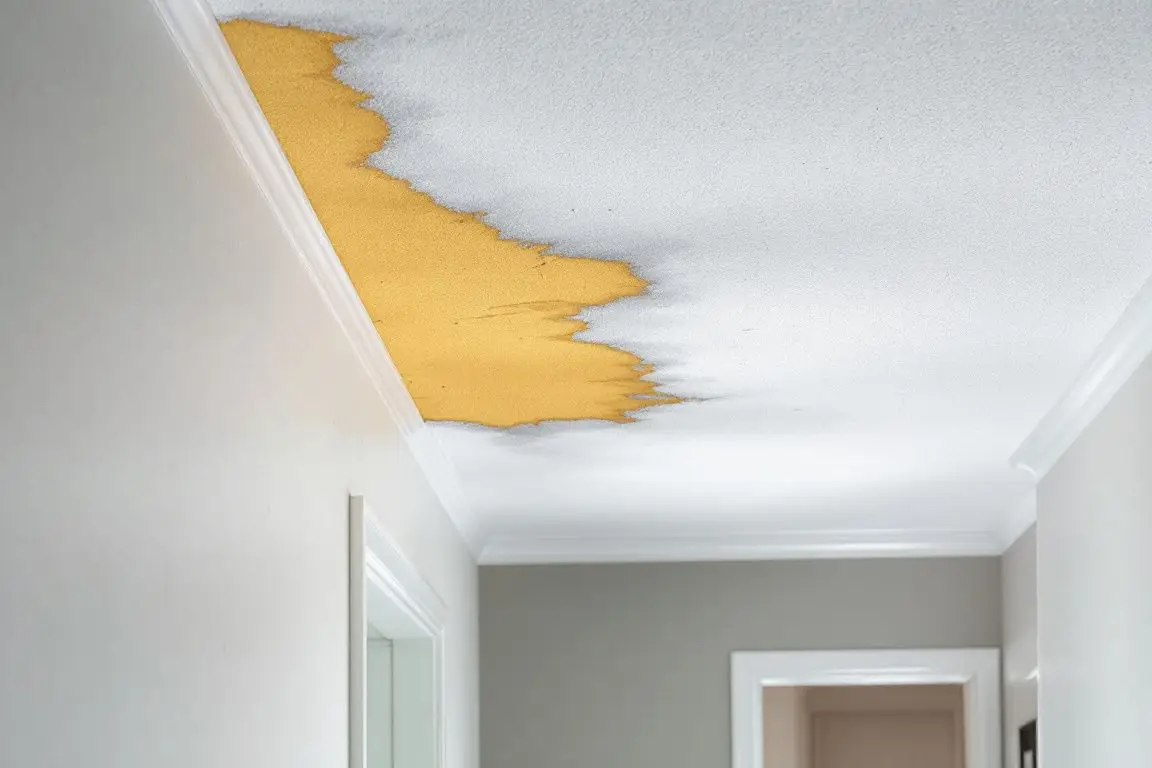
Brown or yellow stains on ceilings and walls are classic signs of water intrusion. While a fresh stain might be obvious, older stains can be painted over, hiding the problem temporarily. In our inspections, we look for subtle variations in paint colour or wallpaper texture that might indicate previous water damage.
Pay attention to the corners of rooms and around window frames, as these areas are prone to condensation and leaking. If you notice bubbling or peeling paint, this often means moisture is pushing from behind the surface. These signs should prompt a more detailed inspection by a professional building inspector Pukekohe homeowners trust for unbiased assessments.
Warped, Buckled, or Soft Flooring
Walk through the property and feel for uneven or soft spots underfoot. Timber floors that have been exposed to moisture may warp, cup, or buckle. In carpeted areas, water damage can cause the underlay to break down, leading to a spongy feeling.
In wet areas like bathrooms and laundries, check for tiles that feel loose or grout that is cracking. These may indicate a leaking shower tray or pipe beneath the surface. Our inspectors use moisture metres to test floor areas without causing any damage, confirming whether a soft spot is simply aging or something more serious.
Visible Mould Growth
Mould appears as black, green, or white patches, often in areas with poor air circulation and high humidity. Common spots include bathrooms, kitchens, and behind large furniture items. But mould can also grow in less visible places like attic spaces and under sinks.
While some mould is harmless, certain types can require professional remediation. We recommend that any significant mould growth be evaluated by a specialist. Our inspections in Franklin, including areas like Waiuku and Tuakau, frequently discover mould that previous owners had tried to conceal with fresh paint or cleaning.
Unexplained Musty Attic or Crawlspace
The attic and crawlspace are where water damage often hides. A leaking roof or poorly sealed flashing can allow water into the attic, soaking insulation and timber rafters. In the crawlspace, high humidity and plumbing leaks may go unnoticed for years.
During our inspection, we enter these areas whenever safe and accessible. We look for water stains, rusted nails, and damp insulation. If we cannot fully access a space, we include a note in your report recommending further checks. A builders report Pukekohe residents receive from Alert includes detailed findings from these hidden zones.
Signs of Water Damage in Newer Homes
Many people assume that newly built homes do not have water problems. However, with the rapid growth in areas like Drury and Karaka, new builds may have rushed installations or minor defects. Even brand-new homes can suffer from leaking shower screens, poorly sealed windows, or inadequate waterproofing in wet areas.
A pre purchase building inspection Pukekohe buyers arrange for new builds is just as essential as for older properties. Our inspectors assess the workmanship and check for signs of moisture intrusion that may appear within the first few years. Identifying these issues early allows you to address them with the builder before warranties expire.
What Causes Water Damage in Franklin Homes
Several factors contribute to water damage in our local climate. Prolonged rain, high humidity, and the use of untreated timber in older homes all play a role. Poor ground drainage around the foundation can cause water to pool and seep into basements or subfloor areas.
Another common issue is incorrect roof flashing or damaged spouting. When downpipes overflow or are blocked, water can run down exterior walls and enter via windows or door thresholds. Regular maintenance can prevent many of these issues, but once they appear, professional intervention may be necessary.
During our inspection, we also consider the age of the property and any previous renovations. Poorly executed DIY repairs often hide water damage rather than fix it. Our experienced team, led by Managing Director Morgan Kircher with over 20 years in the building industry, knows what to look for and where problems commonly lurk.

Health Considerations and Indoor Air Quality
Hidden water damage does not just harm the building; it can also affect your health. Mould spores released into the air may cause respiratory problems, especially for children, the elderly, or those with asthma. Persistent dampness can exacerbate allergies and other conditions.
According to health.govt.nz, exposure to damp and mouldy environments is linked to increased risk of respiratory illnesses. Addressing water damage promptly is vital for protecting your family’s wellbeing. While we do not assess air quality directly, we can recommend specialists who can perform detailed mould testing and remediation.
How a Professional Inspection Helps
When you book a building inspection with Alert Building Inspections, we bring years of experience and a systematic approach. We examine the exterior and interior, including areas you might not think to check. Our final report summarises our findings and includes clear photographs of any concerns.
The report highlights issues we have identified, such as moisture stains, high moisture readings, or signs of past leaks. We also note areas where further investigation by a specialist may be prudent. If we spot potential weathertightness concerns, we will advise you to consult with a licensed building surveyor or your local council for guidance.
A thorough building inspection Pukekohe property buyers can rely on is essential for avoiding unexpected costs after purchase. We help you understand the condition of the property, so you can negotiate with confidence or plan for necessary repairs.
What to Do if You Suspect Water Damage
If you notice any of the signs discussed in this article, do not wait. Start by probing the area with a screwdriver or a moisture metre if you have one. Look for soft timber, lifting paint, or a damp feeling under carpets. Small issues can quickly escalate into expensive structural repairs if left unattended.
For homeowners, addressing the source of the water is the first step. This may mean repairing a roof, clearing gutters, or fixing a leaking pipe. After the source is fixed, you should dry out the area and assess any damage to materials. For extensive damage, professional drying equipment may be necessary to prevent mould growth.
If you are buying a property, arrange a pre purchase building inspection early in the process. Our inspectors at Alert Building Inspections can identify hidden water damage that might otherwise affect your offer or your future renovation plans.
Choosing the Right Building Inspector
Selecting a skilled and trustworthy building inspector is critical. In Pukekohe, you need someone who understands local construction styles and common weather-related issues. Our team has extensive experience with Franklin homes, from character properties in Pukekohe to modern builds in Clarks Beach.
We pride ourselves on clear communication and honest reporting. When you receive a builders report Pukekohe homeowners use to make decisions, you can be confident it is thorough and easy to understand. We do not use jargon or scare tactics, just straightforward findings and practical advice.
With a combined 150 years of experience across our team, we have seen just about every type of water damage issue. Managing Director Morgan Kircher leads the team with a commitment to quality and professionalism. We aim to provide you with the knowledge you need to protect your investment and your family.
Signs Your Pukekohe Home Has Hidden Water Damage
Whether you are buying a home in Pukekohe or already own one, being alert to water damage is essential. Early detection saves money and prevents health issues. If you need a meticulous building inspector Pukekohe residents trust, contact Alert Building Inspections to schedule an assessment of your property.
Related Articles
- Hidden Defects Pukekohe Buyers Often Miss
- What a Builders Report Pukekohe Reveals About Older Homes
- Roof and Ceiling Issues Pukekohe Buyers Should Know
- Moisture and Leaks in Pukekohe Homes What to Expect
Alert Building Inspection Services provides comprehensive building reports across Pukekohe, Franklin, Auckland, and New Zealand. Trust our expert inspectors to give you clarity and confidence in your property decisions. For professional pre purchase building inspection services and expert advice, visit our website. You can also read more articles like this on our blog.