Roof and Ceiling Issues Pukekohe Buyers Should Know

Roof and Ceiling Issues Pukekohe Buyers Should Know
When you’re buying a home in Pukekohe, the roof is probably the last thing you’re thinking about as you walk through the front door. You’re picturing furniture arrangements and weekend barbecues — not what’s happening three metres above your head. But experienced building inspectors in Pukekohe know that the roof and ceiling space often tell the most revealing story about a property’s true condition.
Roofing defects are among the most common findings in a building report for Pukekohe properties, and for good reason. Franklin’s climate — with its heavy seasonal rainfall, strong westerly winds, and occasional hail — puts enormous pressure on roofing systems year after year. What looks like a minor cosmetic issue at first glance can turn into a significant repair bill if it goes undetected before settlement.
That’s why a thorough pre purchase building inspection in Pukekohe should always include a careful assessment of the roof cladding, gutters, downpipes, flashings, and the ceiling space below. Understanding what inspectors look for, and what those findings mean for you as a buyer, can make a real difference to your negotiating position — and your peace of mind.
What Gets Inspected Up Top
A professional building inspector in Pukekohe will assess the roof from ground level and, where safe and accessible, from the roof surface itself. The inspection covers the roof cladding material — whether that’s corrugated iron, pressed metal tiles, concrete tiles, or another system — along with the condition of ridge cappings, hip flashings, and valley gutters.
Flashings deserve particular attention. These are the metal strips that seal the joins between the roof and features like chimneys, skylights, and parapet walls. When flashings lift, crack, or corrode, water finds a way in. On older Pukekohe homes, flashing failures are one of the primary causes of leaks that have been silently causing damage for years before anyone notices.
Gutters and downpipes are also carefully checked. Blocked or broken gutters cause water to pool against the fascia boards and overflow into the wall cavities below. Downpipes that discharge onto the ground rather than into proper drainage can saturate the soil around the foundations — a problem that compounds over time.
Inside the Ceiling Space
The ceiling space is where a building inspection in Pukekohe can uncover issues that are completely invisible from the ground. Inspectors use torches and, where accessible, physically enter the roof void to look for signs of water ingress, inadequate insulation, structural movement, and pest activity.
Water staining on the timber framing and sarking is one of the clearest signs that a roof has been leaking, even if the leak appears to have stopped. Old water damage doesn’t always mean an active leak, but it does mean there was one — and that warrants closer investigation to confirm whether the cause has been properly fixed.
Timber framing in the roof space is also assessed for signs of borer or rot. In older Pukekohe homes, untreated timber was commonly used in roof structures, and borer activity can compromise the structural integrity of rafters and purlins over time. If our inspection uncovers evidence of significant pest activity, we may recommend seeking a specialist assessment before proceeding.
Insulation is another key focus. New Zealand’s building standards have evolved significantly over the decades, and many older homes in the Pukekohe area were built before ceiling insulation became standard practice. Inspectors will note the type, depth, and condition of any insulation present, so you know exactly what you’re working with.
Common Roof Problems Found in Pukekohe Properties
Pukekohe has a diverse housing stock that ranges from post-war bungalows and 1970s brick-and-tile homes through to modern weatherboard and cladded new builds. Each era and construction type comes with its own set of roofing characteristics — and potential weaknesses.
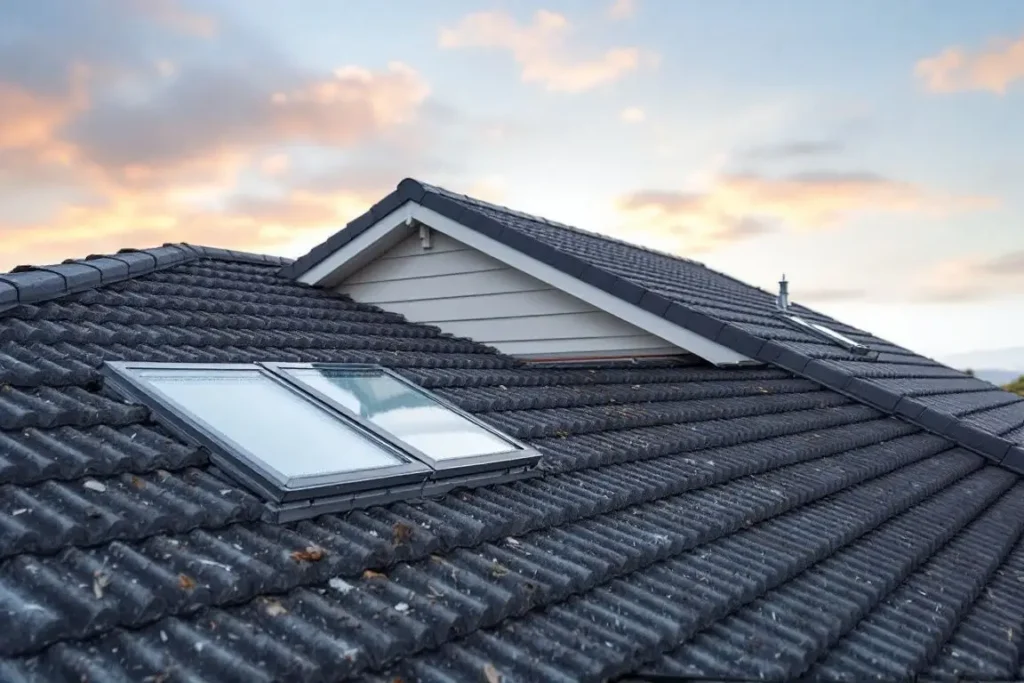
Concrete tile roofs, which are common on homes built between the 1980s and early 2000s, can develop cracked or slipped tiles after years of thermal expansion and contraction. When tiles crack, moisture gets under the roof underlay. If the underlay itself has degraded, that moisture reaches the framing below.
Corrugated iron roofs on older homes are generally durable, but they are susceptible to corrosion at the fixings and along the laps. Rusty screws and lap joints are entry points for water, particularly on low-pitched roofs where water sits longer rather than running off quickly.
Mono-pitch and flat roof sections — sometimes found on additions or garages — require careful checking of the membrane condition and internal drainage. These roof types are more prone to pooling water and are often the source of the dampness that turns up in adjoining rooms.
What the Builders Report Tells You
A builders report for a Pukekohe property should give you a clear, honest account of what the inspector found — not a long list of frightening technical language, but a plain-English explanation of the condition of the roof and ceiling space, the likely cause of any issues identified, and a recommendation on whether further specialist input is needed.
At Alert Building Inspections, our team brings a combined 150 years of building experience to every inspection we carry out. Managing Director Morgan Kircher has spent more than 20 years in the building industry, and that depth of hands-on knowledge shapes the quality and accuracy of every report we produce.
When we identify a concern in the roof or ceiling space, our report will explain what we found, what it might mean, and whether we recommend further investigation by a specialist — such as a roofing contractor or structural engineer. We don’t overstate findings, and we don’t downplay them either. The goal is to give you accurate information so you can make a confident decision.
Roofing repairs can range from a straightforward re-flashing job through to a full roof replacement, so understanding the scale of any issue before you sign on the dotted line is genuinely valuable. In some cases, buyers use inspection findings to negotiate a price reduction. In others, sellers agree to carry out remedial work prior to settlement. Either way, you’re better positioned knowing the facts.
Roof and Ceiling Issues Pukekohe Buyers Should Know
Whether you’re buying your first home in Pukekohe or adding to an existing property portfolio, a detailed pre purchase building inspection in Pukekohe is one of the most straightforward ways to protect yourself from unexpected costs. The roof is one of the most expensive systems in any home to repair or replace — and one of the easiest to overlook without a trained eye on it. Get in touch with Alert Building Inspections before you commit, and go into settlement knowing exactly what’s above your head.
Alert Building Inspection Services provides comprehensive building reports across Pukekohe, Franklin, Auckland, and New Zealand. Trust our expert inspectors to give you clarity and confidence in your property decisions. For professional pre purchase building inspection services and expert advice, visit our website. You can also read more articles like this on our blog.