Moisture and Leaks in Pukekohe Homes What to Expect
Moisture and Leaks in Pukekohe Homes What to Expect
Water and timber are old enemies. Pukekohe’s climate — warm summers, wet winters, and the occasional heavy downpour — creates conditions where moisture finds every gap it can. For buyers and homeowners in the Franklin region, understanding how moisture behaves in a property can make the difference between a sound purchase and a costly one.
A thorough pre purchase building inspection Pukekohe buyers rely on will always pay close attention to moisture. It is one of the most common issues found across all property types, from older bungalows near the town centre to newer builds in the surrounding rural areas. Knowing what inspectors look for — and what the findings might mean — puts you in a far stronger position when negotiating or planning maintenance.
This article walks through the most frequent moisture-related findings uncovered during building inspections Pukekohe properties regularly present, and what those findings might mean for you as a buyer or homeowner.
Where Moisture Problems Tend to Hide
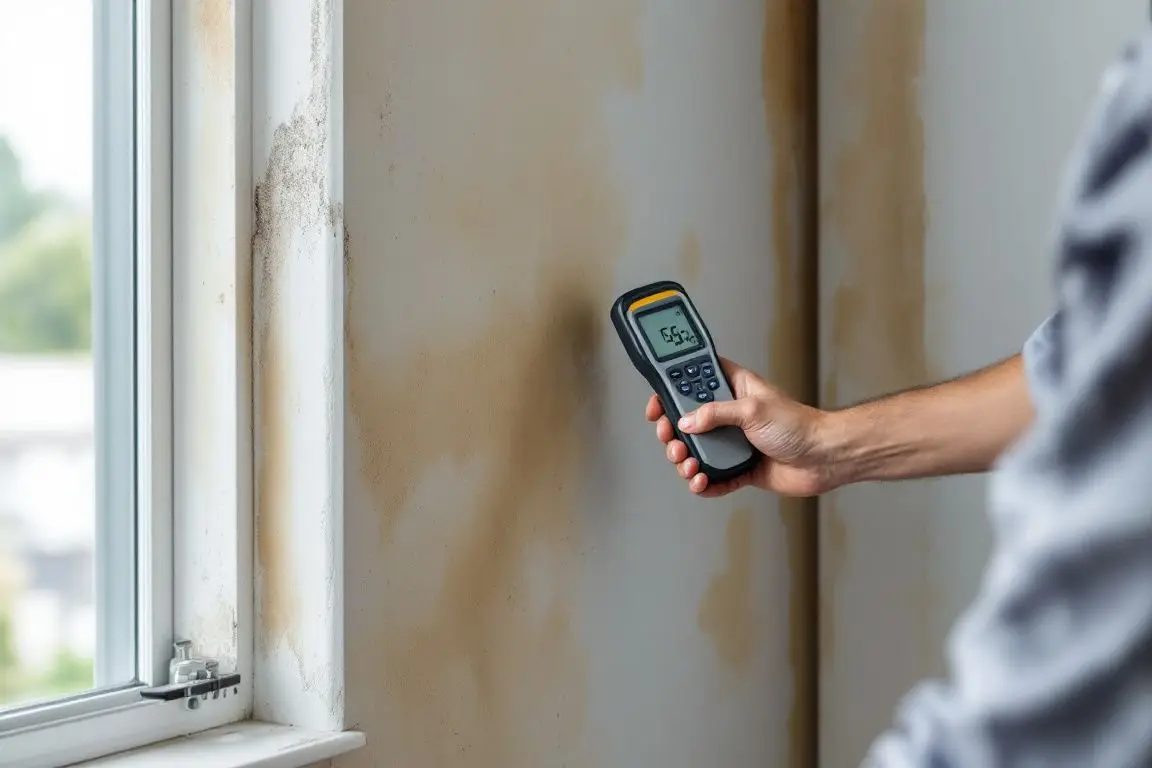
Moisture rarely announces itself. By the time you see a stain on a ceiling or bubbling paint on a wall, the problem has usually been developing for some time. A trained building inspector Pukekohe homeowners trust will use a combination of visual assessment and moisture-measuring equipment to detect issues that are not visible to the naked eye.
Rooflines and guttering are common starting points. Blocked or poorly installed gutters cause water to back up against fascia boards and into roof cavities. In older Pukekohe homes, this is often compounded by ageing flashings — the metal strips around chimneys, skylights, and roof penetrations that are designed to direct water away from the structure.
Subfloor areas are another frequent concern. Many properties in the Franklin region sit on timber piles with a crawl space beneath the floor. Poor ventilation in these spaces creates the right conditions for condensation to build up, leading to damp timber, potential fungal growth, and in more serious cases, structural deterioration. Our inspections may uncover issues in these areas that require specialist assessment before you proceed with a purchase.
What a Building Report Pukekohe Buyers Receive Will Cover
A quality building report Pukekohe buyers receive should clearly describe each moisture-related finding, its location, and its likely cause. Vague descriptions do not help you make informed decisions. At Alert Building Inspections, we document findings in plain language, along with our assessment of severity and suggested next steps.
Common moisture findings in a builders report Pukekohe properties generate include damaged or missing roof cladding, failed window seals allowing water ingress at joinery, wet insulation in wall cavities, and signs of historic leaks that may or may not have been remediated. Each of these carries different implications depending on the extent and duration of the issue.
Historic staining, for example, does not always mean an active leak — but it does mean something happened at some point. Our inspectors will note whether moisture readings at the affected area are elevated, which helps distinguish between an old issue that has dried out and one that is still active. Where we identify concerns that need more investigation, we will suggest you consult with a specialist such as a weathertightness assessor or a structural engineer.
Weathertightness and the Leaky Building Legacy
New Zealand has a well-documented history with weathertightness failures, particularly in homes built between the late 1980s and mid-2000s. While Pukekohe’s housing stock skews older in many pockets, there are properties across the Franklin region that fall within that era and construction style. Mono-pitched roofs, complex cladding systems, and inadequately detailed junctions were common features of that period.
The MBIE website provides background on weathertightness issues that affected New Zealand homes, and it is worth familiarising yourself with the history if you are looking at properties from that era. Our inspectors will flag any design features or cladding types that have historically been associated with moisture ingress risk, so you can factor that into your decision-making.
It is not about avoiding these properties entirely — many have been remediated to a high standard. The point is knowing what you are buying. A thorough building inspection identifies the signs that warrant further investigation, and that knowledge is valuable whether you proceed with the purchase or decide to walk away.

Bathrooms, Kitchens, and Internal Moisture Sources
Not all moisture enters from outside. Internal wet areas — bathrooms, laundries, and kitchens — are frequent sources of moisture damage when waterproofing fails or ventilation is inadequate. A shower that has been poorly sealed at the base or walls can allow water to work its way into the framing behind the tiles over months or years.
During building inspections Pukekohe homes undergo, inspectors will check for soft or spongy floors around shower bases, discolouration or staining at wall junctions, and any visual signs of deterioration to grouting and silicone. These are early indicators that the waterproofing may be compromised. In some cases, the damage is contained and relatively straightforward to address — in others, it may require a full strip-out and relined wet area.
Kitchen areas present similar risks, particularly under sinks where minor drips from pipework can go unnoticed for extended periods. Timber cabinetry is particularly susceptible, and the damage often progresses to the floor substrate before anyone notices. Our inspectors assess these areas carefully during every inspection.
What Managing Director Morgan Kircher’s Team Brings to Every Inspection
Managing Director Morgan Kircher brings over two decades of building expertise to Alert Building Inspections, and that experience shapes the standard every inspection is held to. With our team’s 150 years of combined industry experience, we have seen the full range of moisture-related issues that properties across Pukekohe, Waiuku, Drury, Karaka, and the wider Franklin region can present.
We are not here to alarm you. Moisture findings are common, and many are manageable. What matters is having accurate, clear information so you can make a confident decision. Whether you are buying your first home in Pukekohe or adding to a property portfolio, the right information at the right time is what a quality builders report Pukekohe buyers receive from our team should deliver.
During our inspection, we may identify issues that warrant further investigation by a specialist — and when we do, we will tell you clearly and without unnecessary alarm. Our role is to give you the full picture, not to make the process feel more complicated than it needs to be.
Moisture and Leaks in Pukekohe Homes What to Expect
Moisture is the most common issue found across Pukekohe and Franklin region properties, and it is also one of the most manageable when identified early. A thorough building inspection Pukekohe buyers and homeowners invest in is the most direct way to understand the true condition of a property before committing. Contact Alert Building Inspections to arrange your inspection today.

Alert Building Inspection Services provides comprehensive building reports across Pukekohe, Franklin, Auckland, and New Zealand. Trust our expert inspectors to give you clarity and confidence in your property decisions. For professional pre purchase building inspection services and expert advice, visit our website. You can also read more articles like this on our blog.