Meth Testing Explained: Protecting Your Family and Investment
Meth Testing Explained: Protecting Your Family and Investment
Methamphetamine testing protects your family’s health and safeguards your property investment by detecting contamination levels above 15 micrograms per 100cm² – the threshold considered unsafe for habitation in New Zealand. With meth use nearly doubling between 2023 and 2024, understanding when and how to test your property has become essential for homeowners, landlords, and property buyers across New Zealand.
Whether you’re purchasing your first home in Pukekohe, managing rental properties across the Franklin District, or concerned about your family’s safety, this comprehensive guide explains everything you need to know about methamphetamine testing in New Zealand. We’ll cover the testing standards, when testing is necessary, and how to protect your most valuable assets.
Understanding Methamphetamine Contamination in New Zealand
Methamphetamine contamination affects properties across all suburbs in New Zealand, including throughout the Franklin District and Pukekohe area, from the most affluent to the poorest neighbourhoods, with estimates suggesting over 40,000 regular users nationwide. The drug leaves residue on surfaces that can persist long after use, potentially affecting future occupants.
Contamination occurs through two primary activities:
- Smoking or consuming methamphetamine within the property
- Manufacturing the drug (though this accounts for less than 1% of contaminated properties)
The good news is that the chances your property was used as a meth lab are very low – ESR testing of 1600 suspected properties found only 1% revealed levels high enough to indicate manufacturing had likely taken place.
What Makes Properties Unsafe?
Properties testing above 15 micrograms per 100cm² are considered unsafe to live in according to government guidelines. However, there’s an important distinction between different standards:
- Government threshold: 15 micrograms per 100cm² (based on the 2018 Gluckman Report)
- NZS 8510:2017 Standard: 1.5 micrograms per 100cm² for high-use areas
- Insurance requirements: Most insurers follow the stricter 1.5 microgram standard
This creates a complex landscape where properties might be considered “safe” by government standards but still require remediation for insurance purposes.
When Should You Test for Methamphetamine?
Property Purchases
If you purchase a property with elevated meth levels, you won’t have insurance coverage for the cost of cleaning the property, leaving you to foot the bill for decontamination. Testing during your due diligence process can save thousands in unexpected remediation costs.
Consider testing when:
- Purchasing any residential property in Pukekohe or the Franklin District
- The property has been a rental
- There are visual signs of potential drug use
- The property price seems unusually low for the Pukekohe area
Alert Building Inspections Pukekohe can conduct thorough property inspections, including meth testing, to give you complete peace of mind.
Rental Properties
It is best practice to test all rental properties between tenancies. This means you ensure the property is habitable for an incoming tenant and clearly establish who caused the contamination if it is found.
Landlords should test:
- Before new tenancies begin (baseline testing)
- Between tenancies
- When there’s suspicion of drug use
- After receiving reports from neighbours or property managers
Family Safety Concerns
Recent cases, like the Christchurch family who discovered meth contamination after living in their rental for nearly two years, highlight the importance of proactive testing for families throughout New Zealand, including those in the Pukekohe and Franklin District areas. While health effects from low-level exposure remain debated, many families prefer the certainty that testing provides.
How Methamphetamine Testing Works
Testing Standards and Methods
New Zealand Standard NZS 8510:2017 provides industry guidance on testing and decontamination of methamphetamine-contaminated properties, establishing maximum acceptable levels of 1.5 micrograms per 100 cm² for high-use areas and 3.8 micrograms per 100 cm² for limited-use areas.
Professional testing follows a structured approach:
Screening Assessment: Multiple samples from throughout the property are combined into a single composite test to provide an overall contamination reading.
Detailed Assessment: Individual room-by-room testing is conducted when screening reveals contamination above acceptable levels.
Post-Decontamination Verification: Testing after cleaning to ensure contamination has been reduced to safe levels.
What Areas Are Tested?
Trade-qualified inspectors focus on high-use areas where contamination is most likely:
- Bedrooms and living areas
- Kitchens and bathrooms
- Garages and storage areas
- Ceiling spaces and wall cavities (for manufacturing detection)
The testing process typically takes 30 minutes for a standard residential property, depending on size and complexity.
Laboratory Analysis
Professional testing uses IANZ-accredited laboratories that analyse samples using LC-MS/MS (liquid chromatography with tandem mass spectrometry) for sensitive, reliable results.
Results typically include:
- Contamination levels for each tested area
- Comparison against relevant standards
- Recommendations for any necessary remediation
- Detailed reporting for insurance or legal purposes
Signs That May Indicate Methamphetamine Use
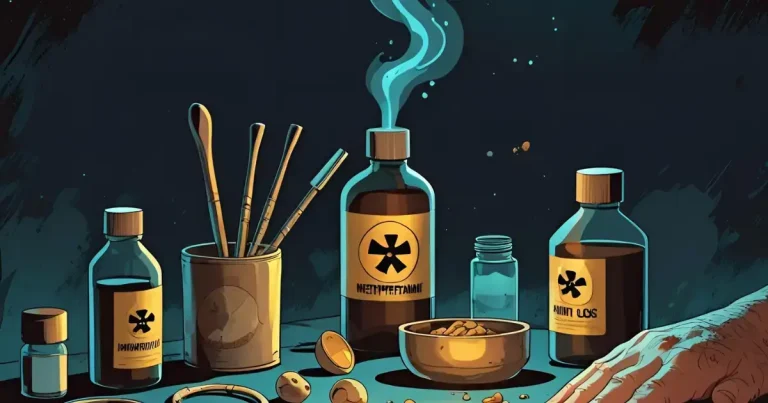
There may be no obvious signs if methamphetamine has been used at a property, compared to where a property has been used as a methamphetamine ‘lab’. However, some indicators to watch for include:
Visual indicators:
- Yellow or brown stains on ceilings, walls, or floors
- Staining on appliance surfaces
- Unusual chemical odours
- Chemical containers or stained glassware
Behavioural indicators (for current tenants):
- Frequent short-term visitors at unusual hours
- Paranoid or aggressive behaviour
- Property maintenance neglect
- Reports from neighbours about strange smells or activities
Remember, the absence of these signs doesn’t guarantee a property is uncontaminated – professional testing is the only reliable method of detection.
Understanding Testing Results and Next Steps
Interpreting Your Results
Your testing report will show contamination levels measured in micrograms per 100 square centimetres (μg/100cm²). Understanding these numbers helps you make informed decisions:
Below 1.5 μg/100cm²: Property meets the strictest standards and is considered safe for habitation 1.5-15 μg/100cm²: Property may require remediation depending on your situation and insurance requirements. Above 15 μg/100cm²: Property requires professional decontamination before safe occupation
When Remediation Is Required
When a detailed assessment returns a result above 1.5 μg/100 cm² for a single sample, the room from which the sample was taken must be decontaminated to comply with NZ Standard NZS 8510:2017.
Professional decontamination typically involves:
- Removal of porous materials (carpets, curtains, some furnishings)
- Thorough cleaning of all contaminated surfaces
- Specialised cleaning products proven effective against methamphetamine residue
- Post-cleaning verification testing
- Clearance certification
Cost Considerations
Remediation costs vary significantly based on contamination levels and affected areas. Factors affecting cost include:
- Number of rooms requiring treatment
- Types of materials that need replacement
- Accessibility of contaminated areas
- Property size and complexity
The financial implications of not meth testing can well outweigh the cost of routine testing. Potential costs without testing include rent reimbursement, tenant relocation expenses, and uninsured remediation work.
Protection Strategies for Property Owners
For Homebuyers
Make meth testing part of your standard due diligence process. Include testing conditions in your purchase agreement, allowing you to renegotiate or withdraw if contamination is discovered.
Consider engaging professionals experienced in both building inspections and meth testing. Learn more about comprehensive building inspections in Pukekohe to understand how these services work together.
For Landlords
Develop a methamphetamine management plan that includes:
- Pre-tenancy baseline testing
- Clear lease clauses regarding drug use
- Regular property inspections
- Between-tenancy testing protocols
- Documentation for insurance purposes
Having a baseline test at a point in time establishes that the property was free of contamination at the start of the tenancy and sets an expectation that it will remain that way.
Insurance Considerations
Insurance companies such as AIG will cover policyholders for meth contamination, but policies almost always exclude family members who use or manufacture the drug at the property.
To maintain insurance coverage, landlords typically must:
- Conduct reasonable tenant screening
- Maintain written records of pre-tenancy checks
- Perform regular property inspections
- Keep photographic records of inspections
- Respond promptly to rental arrears or suspicious behaviour
The Current Regulatory Landscape
Government Standards vs Industry Practice
Bear in mind that methamphetamine testing is not currently regulated in New Zealand. This creates a situation in which property owners must navigate among different standards and recommendations.
The 2018 Gluckman Report recommended raising the safe level to 15 μg/100 cm², but NZS 8510 provides industry guidance on good practice methods and is not cited in legislation or regulations. This means the standard remains voluntary, though widely adopted by the industry.
Future Developments
Government proposals include making a maximum acceptable level that is included in legislation, requirements for landlords on when and how to test for meth residue, and what to do with possessions left behind in contaminated premises.
These potential changes may provide greater clarity and standardisation across the industry, though implementation timelines remain uncertain.
Choosing Professional Testing Services
What to Look for in a Testing Provider
When selecting a meth testing service, ensure they offer:
- IANZ accredited laboratory analysis
- Compliance with NZS 8510:2017 standards
- Independence from remediation companies
- Detailed reporting suitable for insurance claims
- Trade-qualified inspectors with relevant experience
Questions to Ask Potential Providers
- Are your samplers accredited and independent?
- Which laboratory do you use for analysis?
- Do you follow NZS 8510:2017 standards?
- Can you provide detailed reports for insurance purposes?
- What is your experience with properties in the Pukekohe and Franklin District area?
Working with established building inspection services that offer meth testing ensures you receive a comprehensive property assessment. Professional building inspectors in Pukekohe can coordinate multiple inspection services to provide a comprehensive property evaluation.
Protecting Your Investment and Peace of Mind
Unless methamphetamine has been smoked heavily in your house or the property has been used as a laboratory for manufacture, you don’t need to worry about health effects. However, the financial and emotional peace of mind that comes from professional testing often outweighs the relatively modest cost.
For property investors, meth testing represents essential risk management. The cost of testing is minimal compared to potential remediation expenses, insurance complications, and tenant-related legal issues.
For families, testing provides certainty about the safety of your living environment. While health risks from low-level exposure remain scientifically debated, many families find comfort in knowing their home meets the strictest safety standards.
Meth Testing Explained: Your Next Steps
Understanding methamphetamine contamination and testing options helps you make informed decisions about property purchases, rentals, and family safety. Whether you’re buying your first home, managing rental properties, or concerned about your current living situation, professional testing provides valuable insights and protection.
The key takeaways for New Zealand property owners include the importance of baseline testing, understanding different standards and their implications, and working with qualified professionals who follow industry best practices. With methamphetamine use increasing across New Zealand, proactive testing has become an essential component of responsible property ownership and management.
Meth Testing Explained: Protecting Your Family and Investment
Remember that testing requirements and standards continue to evolve. Stay informed about regulatory changes and consult with experienced professionals who understand both the technical aspects of testing and the broader property market implications.
For comprehensive property assessment, including meth testing, contact Alert Building Inspections Pukekohe today. Our trade-qualified inspectors provide thorough evaluation services to protect your family and investment with confidence and professional expertise.

Alert Building Inspection Services provides comprehensive building reports across Pukekohe, Franklin, Auckland, and New Zealand. Trust our expert inspectors to give you clarity and confidence in your property decisions. For professional pre purchase building inspection services and expert advice, visit our website. You can also read more articles like this on our blog.
Ryan says:
Been trying to figure out if meth testing is actually worth the cost when I’m looking at properties in Auckland – does the risk genuinely vary that much between suburbs, or is it more of a blanket issue across most older homes? Trying to work out if it’s a dealbreaker for first-home budgeting or something I can negotiate into the vendor’s responsibility.
Lisa Anderson says:
We had a rental property tested last year and honestly, the peace of mind was worth every dollar – especially knowing our tenants’ kids weren’t at risk. The thing that surprised me most was how many landlords I’ve talked to since then who just assume their property is fine without ever getting it checked.
Dave Morrison says:
The meth testing cost caught me off guard when we were buying our last investment property – nearly $1500 for a full report. Reckon it’s worth it though given what contamination can do to resale value, but wish there was more transparency around what you’re actually paying for with different testing companies.
Morgan Kircher says:
Our meth testing is only $279 + GST. Let us know if we can help in the future.
The Flying Finn says:
We got stung on a rental up in Auckland a few years back—didn’t test before purchase and ended up spending $18k on remediation, which absolutely hammered the numbers on that property. The cost of testing upfront is genuinely nothing compared to what you’re looking at if contamination gets missed, especially when you’re trying to refinance or sell down the track.
Jim McD says:
Been looking at properties remotely from here and meth contamination is genuinely one of those things that keeps you up at night when you can’t inspect in person. The part about getting an independent tester rather than relying on the seller’s report is crucial. I’d insist on having your own testing done before settlement, even if it costs a bit extra, because remediation costs can absolutely tank your investment returns. Definitely worth factoring that into your due diligence timeline when you’re coordinating inspections from abroad.
Bec F. says:
Question though – if you’re testing positive for meth residue, how are you actually calculating the cost of remediation against your rental yield before pulling the trigger on a property? Seems like most investors aren’t factoring that worst-case scenario into their due diligence.